Resource
Net Zero Adaptation Finance: Climate Risk Screening for CarbonProjects
Project Overview
Funded by the Global Environment Facility and carried out in partnership with the Food and Agriculture Organization of the United Nations, the Net Zero Adaptation Finance (NZAF) project, led by Winrock International, aims to integrate climate change adaptation into carbon projects in the agriculture, forestry and other land use sector (AFOLU) sector in least developed countries. These countries rely heavily on AFOLU for their development but have historically received little financing for climate adaptation
Overview of the NZAF Climate Risk Screening Tool
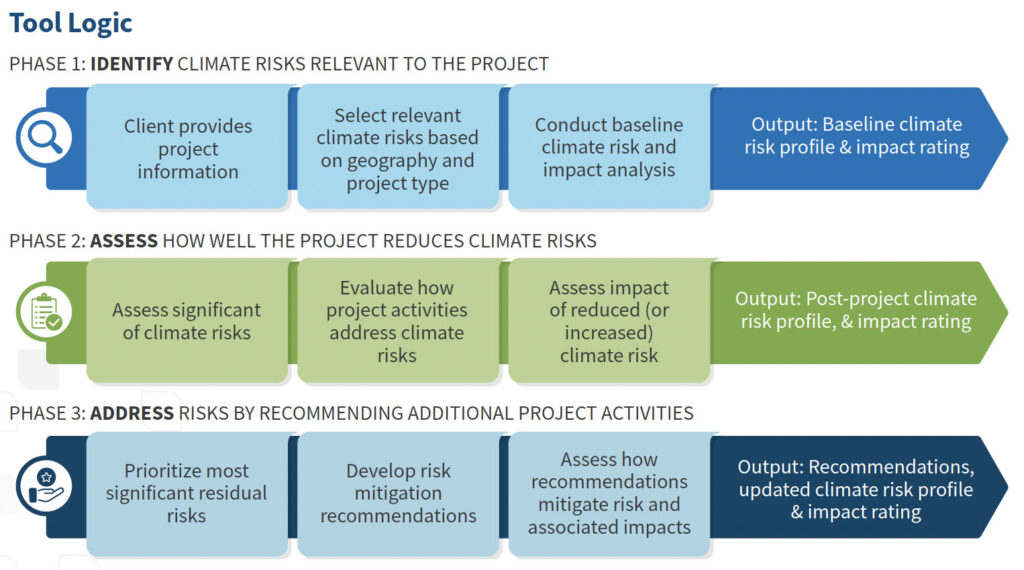
Building from an existing tool designed for the Acumen Resilient Agriculture Fund, NZAF’s updated tool provides qualitative analysis of climate risks, identifies existing climate adaptation practices in the carbon project design, identifies potential for maladaptation, and identifies potential adaptation activity improvements for carbon projects. The tool both reduces risk from climate change to carbon projects and assesses how proposed projects can generate adaptation and resilience co-benefits in target communities.
Impact Analysis
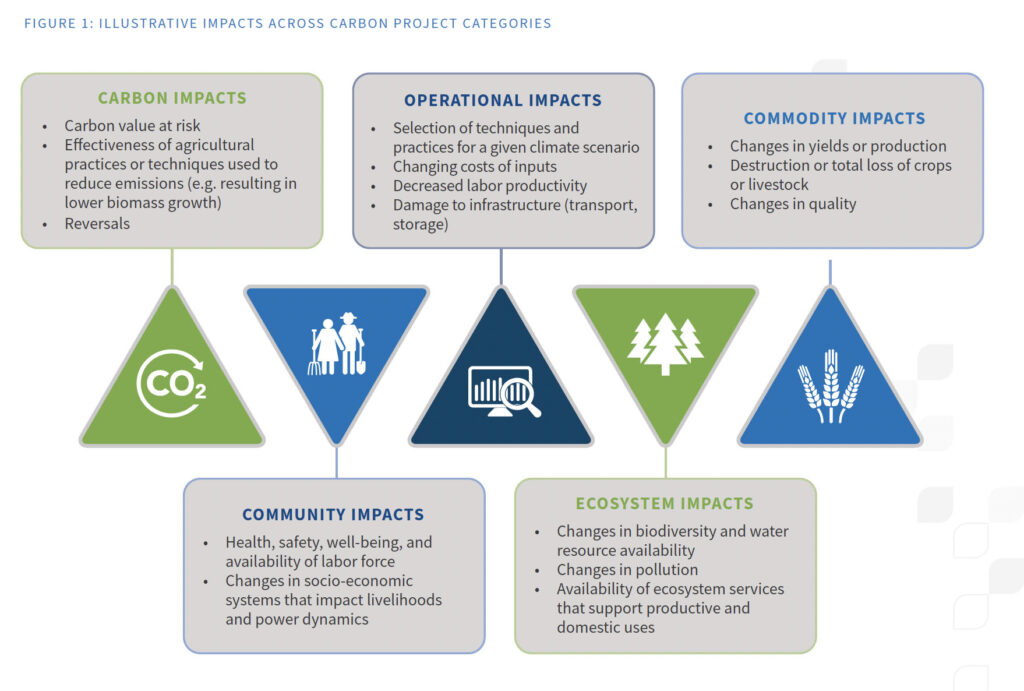
To better understand and communicate how climate risks will impact the proposed project and community, the tool will analyze how identified risks drive impacts across five categories – carbon, commodity, operational, communities, and ecosystems as applicable. Illustrative impacts are shown below:
Tool Testing Process
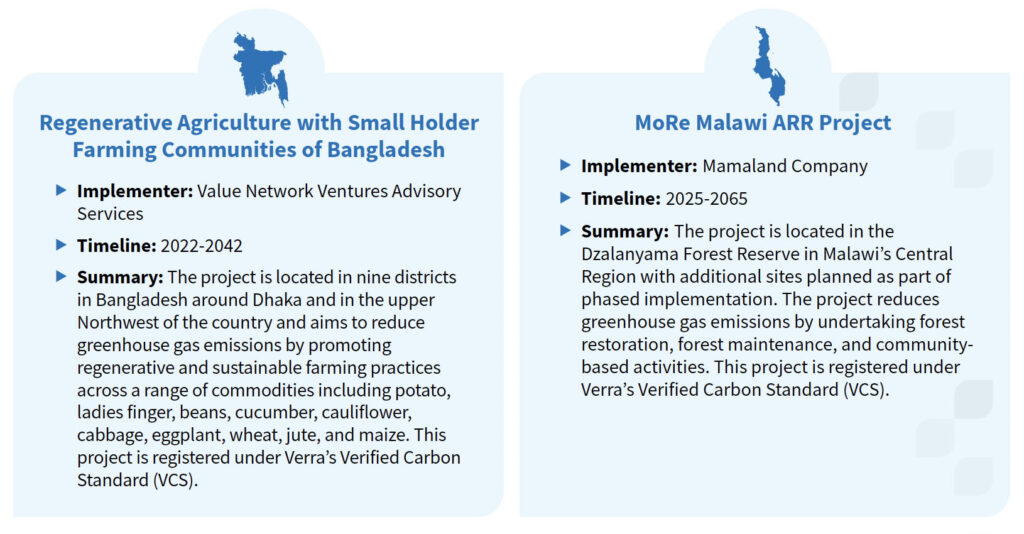
The testing entailed using publicly available project design description (PDD) documents to test the logic of the tool. Selected projects included:
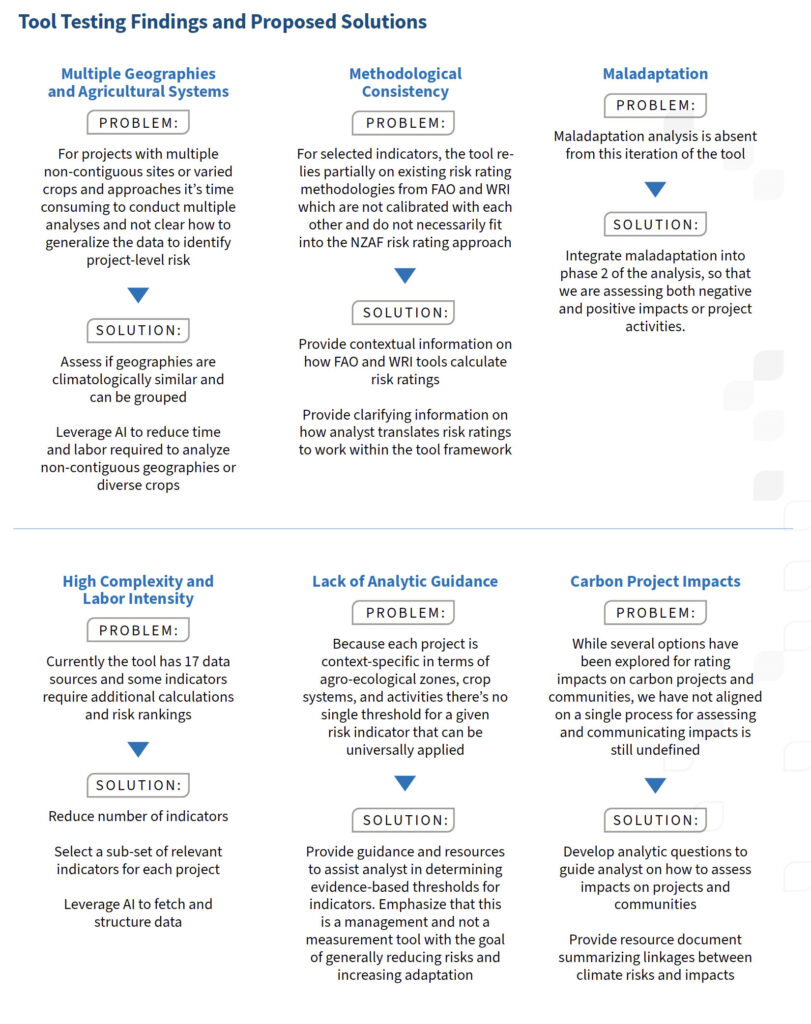
NZAF developed a rudimentary excel-based tool with some automation to take the analyst through a systemic process of assessing climate risk for over 30 risk indicators, assessing project activities, proposing adaptation actions, and analyzing impacts on carbon projects and the associated communities.