Champions of child-trafficking prevention in Central Asia
Through survivor-informed leadership, community outreach and stronger child-protection systems, Winrock International’s KATCH project, funded by the U.S. Department of State, is helping communities recognize child trafficking risks earlier and respond more effectively. This story is part of Winrock’s #ResilienceStories series, highlighting how our 2026-2028 strategic plan strengthens rural resilience by investing in local leadership, trusted institutions and practical solutions to shared challenges. Winrock’s work also supports U.S. interests by advancing stable communities, transparent systems and safer labor markets that foster economic opportunity and strengthen international partnerships. Editor’s note: The names of some people quoted in this piece have been changed to protect confidentiality.
For children and teenagers in Kazakhstan, human trafficking risks can emerge both online and in person. A seemingly friendly conversation, a fraudulent job offer, or a social media post promising opportunity can become the first step toward exploitation.
In Kazakhstan, people working together to prevent child trafficking increasingly include community advocates with direct knowledge of these and other risks: educators, social workers, government representatives, young leaders and people with lived experience. Through the Kazakhstan Actions Against Trafficking in Children project, known as KATCH, Winrock supports these leaders with specialized training, resources and connections that strengthen their child-trafficking prevention efforts in their own communities.
“I’m always proud to see people, especially young people, who care deeply about what happens in their communities and are willing to step up and make a difference,” said Ainura Zhamiyeva, KATCH project director. “When they become Child CTIP Champions, they bring awareness and action into their schools, neighborhoods, and networks. We often think solutions come from outside, but real change happens when local people are equipped with the knowledge and confidence to act. They know the challenges, the culture, and the realities of their communities better than anyone. At KATCH, our role is to support that leadership and strengthen the systems and services that help keep children safe.”
Since gaining independence in 1991, Kazakhstan has emerged as Central Asia’s largest economy and an increasingly important partner for the U.S. The country of roughly 21 million people, the world’s largest landlocked nation, has a resource-based economy supported by significant mineral and energy reserves. Kazakhstan is also a key transportation and trade corridor linking Asia to Europe. And as economic opportunity, labor migration and cross-border commerce expand, so do the risks of trafficking and exploitation, particularly for children and families facing gaps in protection, information or support.
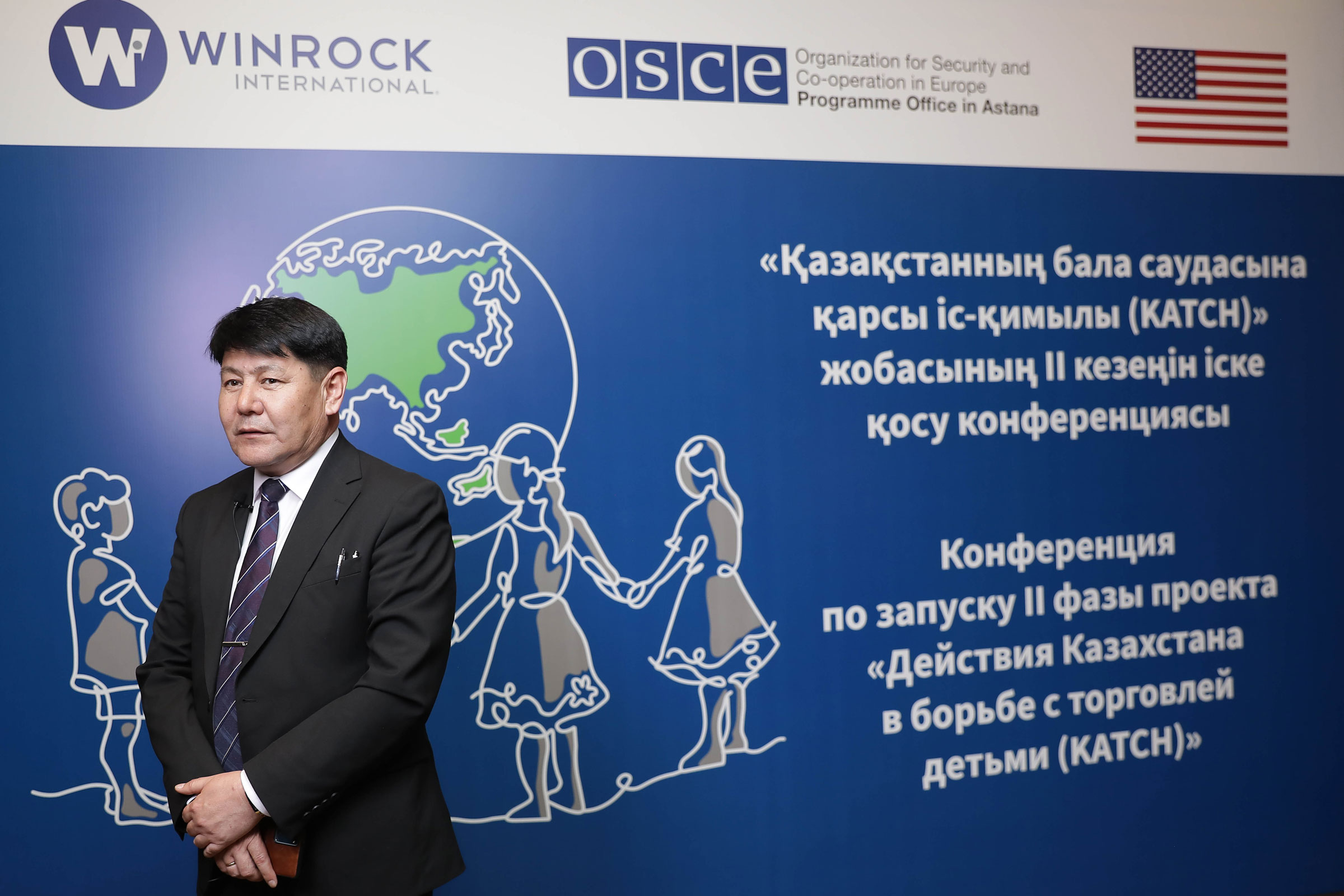
KATCH works with government agencies, nongovernmental organizations and frontline service providers to identify and assist child trafficking victims and children accompanying parents who have migrated to (or within) Kazakhstan – often, in search of employment. But the project’s larger goal is systemic: strengthening the capacity, coordination and accountability needed to provide child-sensitive, trauma-informed assistance to child trafficking survivors and those at heightened risk of trafficking.
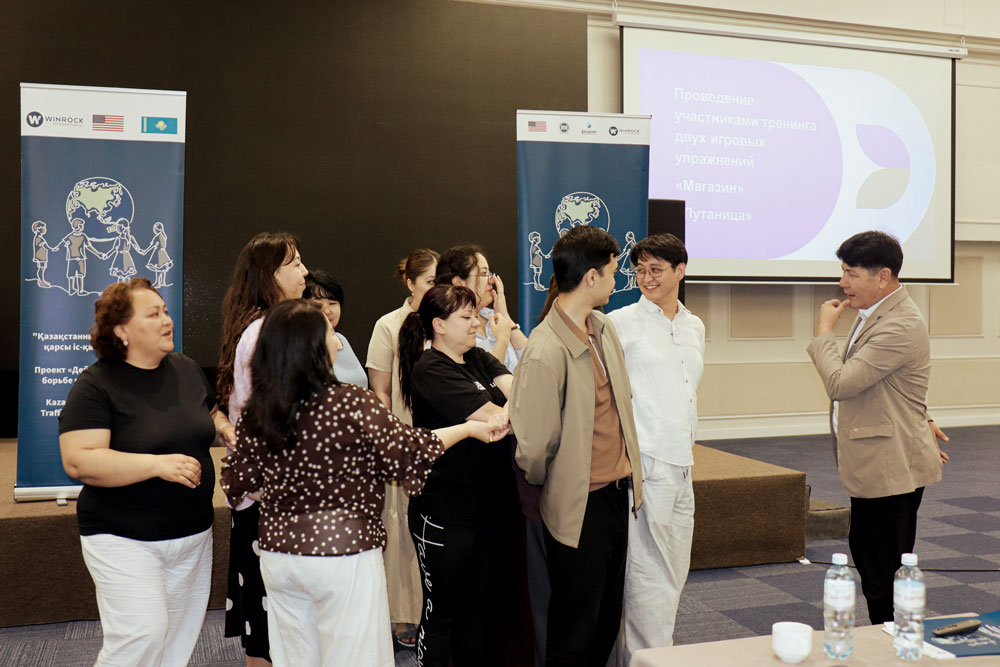
Child-trafficking prevention champions are central to that strategy. They may include trafficking survivors, government employees, child-rights ombudsmen, teachers, lawyers, social workers, psychologists, religious or youth leaders, or staff from community-based organizations. They organize survivor-focused awareness events, share prevention information, encourage government accountability and help expand local networks prepared to respond and help when children are at risk.
So far, KATCH has trained 90 champions across Kazakhstan, supporting communities to both recognize and help stop child trafficking. They have organized or produced nearly 700 awareness-raising events and materials, with one KATCH champion’s outreach alone reaching more than 1,300 children, demonstrating the power of local leadership in protecting vulnerable youth.
Turning lived experience into leadership
KATCH has also established a survivor advisory group, enabling people with lived experience of trafficking and exploitation to help shape project activities, training and learning.
For Anastassiya Khmeleva, participation began with the belief that a personal story could help others. Now, over three years into participating in the group, her commitment and leadership have deepened that commitment.
“I cannot change what happened in my past, but I can ensure that my experience serves a purpose,” Anastassiya said. “If sharing my story, participating in project activities, or even having a single conversation helps someone recognize a risk, reach out for support, or avoid exploitation altogether, then that effort is meaningful.”
That perspective helps keep prevention and survivor assistance grounded in people’s actual experiences. Anastassiya has seen community members begin asking practical questions about suspicious employment offers, unsafe online relationships and where to seek assistance. Those questions, she said, indicate that people are beginning to apply what they learn to their own lives.
Madina Kassymova, another survivor advisory group member, became involved after receiving support from a local group and participating in counter-trafficking education. The project created a good opportunity to contribute not only as a survivor, but as an advocate helping professionals understand what effective, needs-driven support looks like.
“I understand firsthand the lasting impact of exploitation,” Madina said. “Because of my own journey and everything I have had to overcome, I feel uniquely positioned to help survivors believe that a normal, healthy and fulfilling life is possible after what they have endured.”
Protection begins before harm occurs
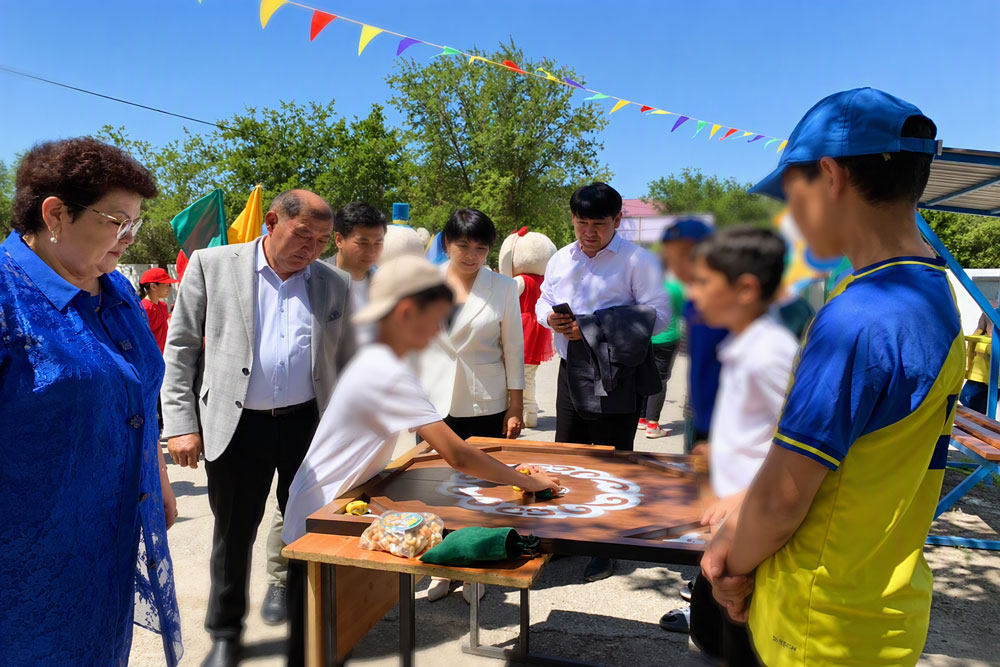
The dangers confronting children in Central Asia – as elsewhere around the world − continue to evolve. KATCH champions cite fraudulent job and education offers, financial hardship, unsafe migration and growing online risks among the factors that can leave children and families vulnerable.
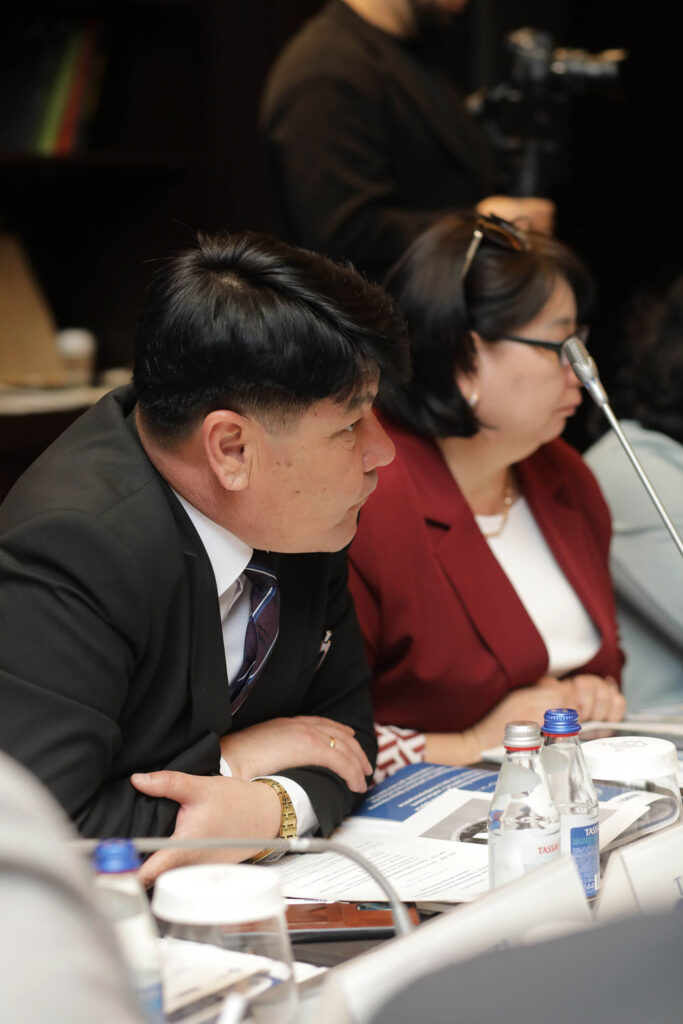
Talgat Bopezhanov, an education professional and counter trafficking champion, said the KATCH training changed how he views prevention and the responsibility communities share for protecting children.
“Formal education is only part of the solution,” Talgat said. “Sometimes a single conversation, a piece of advice, or timely information can prevent a child or young person from entering a dangerous situation.”
Inspired by KATCH training, Talgat began organizing community events and outreach activities for children and youth, with an emphasis on critical thinking, online safety and recognizing suspicious opportunities.
“Protection should not begin only after harm has occurred,” Talgat said. “The most important work happens before exploitation takes place.”
That principle extends throughout KATCH. The project trains service providers in child-sensitive, trauma-informed care; supports local organizations through grants and technical assistance; strengthens identification and referral systems; and promotes clearer coordination among government and civil-society actors.
KATCH is also working to close a longstanding evidence gap. The project is planning a national study intended to provide updated information about the scope, patterns and drivers of child trafficking in Kazakhstan, and to recommend improvements in prevention, identification, protection and response. (For information, please see the Request for Proposals on Winrock’s website: https://winrock.org/contracts/rfp-research-study-on-child-trafficking-in-kazakhstan-vulnerabilities-trends-protection-systems-and-response-capacity/.)
A legacy of partnership in Central Asia
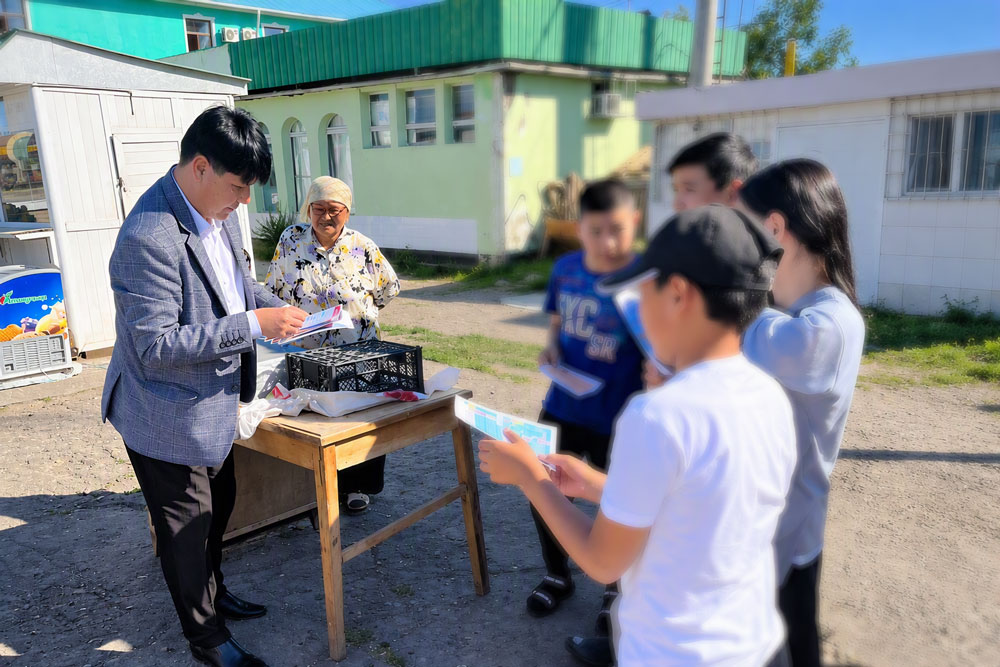
Winrock has worked in Central Asia for decades, and has implemented anti-trafficking, child protection and safe migration programming across all five Central Asian republics: Kazakhstan, the Kyrgyz Republic, Tajikistan, Turkmenistan and Uzbekistan.
“Winrock’s work in Central Asia spans more than 30 years and reflects a long-standing commitment to strengthening local institutions, promoting safe migration and combating human trafficking,” said Stephanie Lillegard, director of Winrock’s Human Rights portfolio.“We work alongside governments, service providers, survivor leaders and communities to reduce exploitation, build resilience and create pathways to economic opportunity. Resilient communities, more transparent systems and safer labor markets benefit the people of Central Asia while supporting the stability, economic growth and trusted partnerships that are important to U.S. interests.”
For the KATCH champions themselves, progress often begins on a smaller scale: one parent speaking with a child; one teacher sharing information with students; one community member recognizing that a seemingly attractive offer could conceal danger.
“Change does not always happen all at once,” Anastassiya said. “Sometimes it starts with one person receiving the right information at the right time, one honest conversation, or one decision not to look away from someone else’s struggle.”
Globally, Winrock’s human rights programming has strengthened 129 laws and policy frameworks, reached more than 15 million at-risk individuals with rights-related training and awareness activities, and provided services to more than 17,000 trafficking survivors. In Central Asia, Winrock’s work has focused on strengthening government systems, improving survivor services, promoting safe migration, preventing child trafficking and forced labor, and partnering with local organizations to protect vulnerable populations.
This article was funded by a grant from the U.S. Department of State. The opinions, findings and conclusions stated herein are those of the authors and do not necessarily reflect those of the U.S. Department of State.
Related Projects