From Endorsement to Action: The Fifth Meeting of the Local Government Forum Demonstrates Active Inter-Local Government coordination
by Nisha Jaishwal & Badri Nath Baral (Winrock International), originally shared by the Innovation Lab Nepal at WISIONS of Sustainability
The endorsement of an operation guideline is only meaningful when it leads to action. Just four months after seven local governments jointly signed the “Operations Guideline 2082” of the Daram–Badigad Watershed Inter-Local Government Coordination Committee, local governments are already demonstrating strong ownership through, self-led coordination. While the WISIONS Innovation Lab (IL) Project, implemented by Winrock International and its partners, supported the formation process culminating in the endorsement of the Operational Guideline, the subsequent operational meetings have been initiated, coordinated, and organized independently by the local governments.
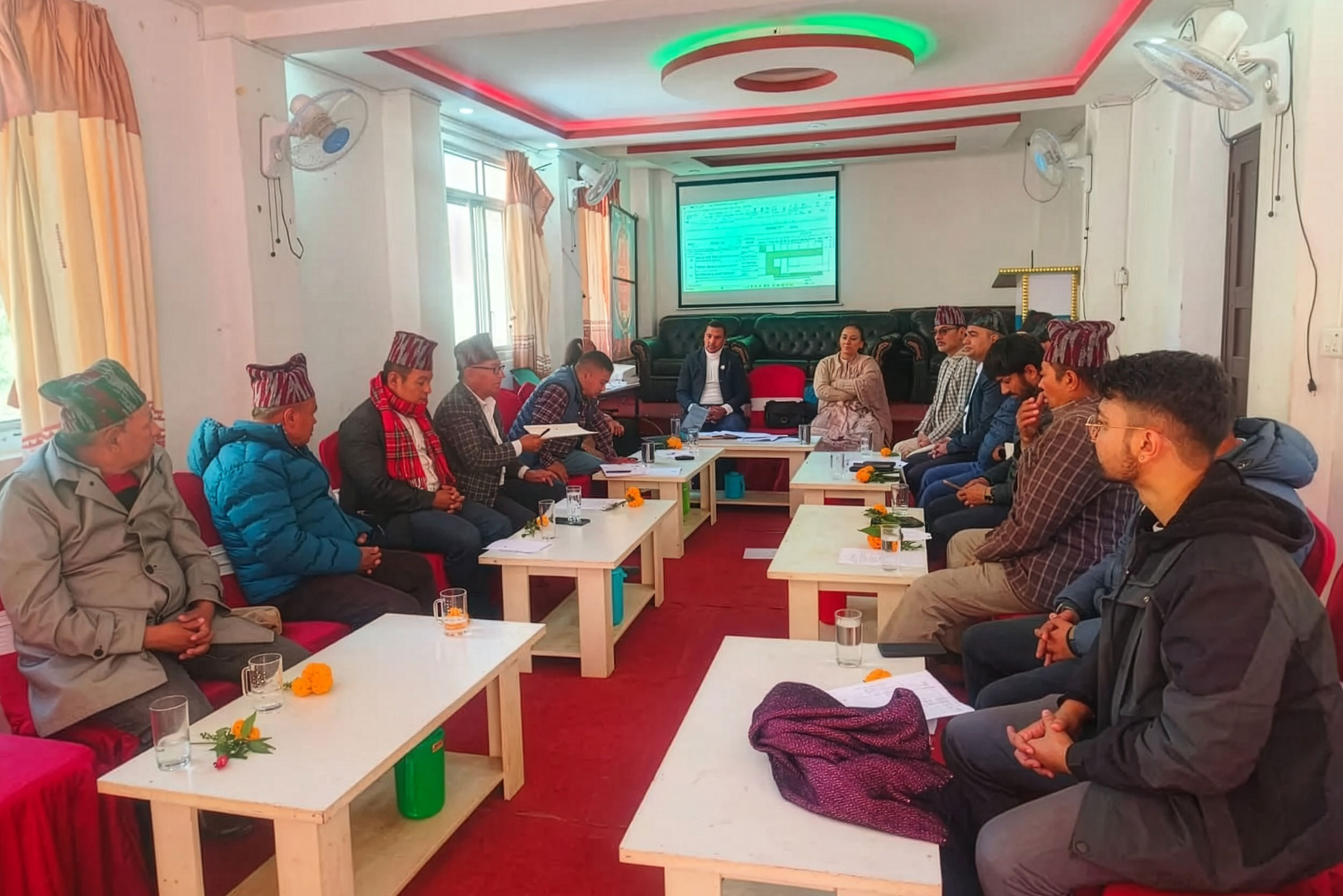
On December 1, 2025 (CE), the Fifth Local Government (LG) Forum Meeting was successfully conducted at the Tamankhola Rural Municipality Office, marking another important step in operationalizing inter-local government collaboration in Baglung, Nepal.
Active Participation and Local Leadership
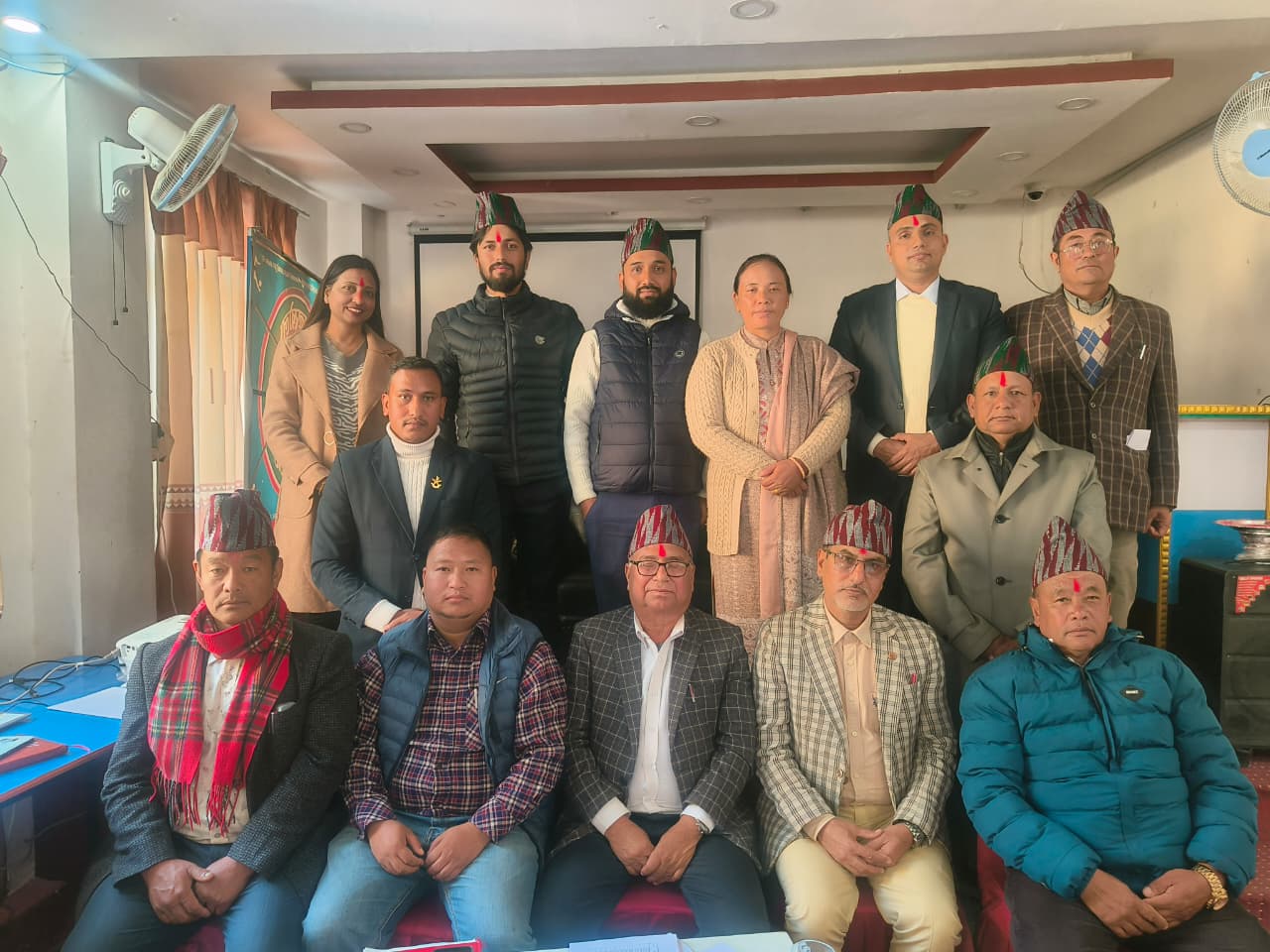
The forum brought together representatives from six local governments; Badigad Rural Municipality, Musikot Municipality, Nisikhola Rural Municipality, Galkot Municipality, Tamankhola Rural Municipality, and Tarakhola Rural Municipality. A total of 23 participants, including chairpersons, vice chairpersons, chief administrative officers, and technical officials, actively engaged in the discussions.
A central agenda item of the meeting was progress toward establishing a joint solid waste management (SWM) mechanism, one of the committee’s early priority actions under the Operations Guideline 2082.
Chairperson Mr. Joklal Budha Magar of Tamankhola Rural Municipality highlighted that appropriate land identification is a prerequisite for forming an effective SWM Committee. He emphasized that a centrally located site, ideally within Badigad Rural Municipality would best serve all seven member local governments.
Echoing this view, Mayor Mr. Bharat Sharma Gaire of Galkot Municipality recalled that a potential waste management site had been identified in the past, however, due to insufficient follow-up and coordination among the local governments, the initiative could not advance. Participants collectively agreed that land identification must precede committee formation to ensure long-term functionality and shared ownership.
Formation of a Land Identification Committee
Demonstrating decisive action, the forum established a Land Identification Committee with representation across municipalities:
- Mr. Bhimsen Bam (Coordinator) – Vice Chairperson, Badigad Rural Municipalit
- Mr. Krishna Prasad Gyawali (Member) – Chief Administrative Officer, Badigad Rural Municipality
- Mr. Fom Bahadur Khatri (Member) – Chairperson, Galkot Ward No. 1
- Mr. Ananda Khatri (Member) – Chairperson, Musikot Ward No. 1
- Mr. Ban Bahadur Chhantyal (Member) – Chairperson, Dhorpatan Ward No. 3
The committee committed to completing the land identification process within the month of Poush i.e. by Mid Jan 2026. In addition to environmental priorities, members also discussed local economic collaboration, proposing the promotion and sale of local products from all seven LGs at Kharbang, a market center bordering Baglung and Gulmi at the District Coordination Committee Office located in Badigad Rural Municipality. This reflects the forum’s expanding role as a platform not only for environmental coordination, but also for regional economic cooperation.
Looking Ahead
The forum agreed that the next meeting will be hosted by Tarakhola Rural Municipality during the last week of Falgun (Mid-March 2026), continuing the practice of rotating leadership and shared responsibility among member local governments.
Local Governments in the Driver’s Seat
The fifth LG Forum meeting clearly demonstrates that local governments are actively leading, convening, and implementing joint actions. The regularity of the forums and the concrete decisions being made show a maturing coordination mechanism rooted in local ownership.
As Nepal’s federal system evolves, the Daram–Badigad Watershed Inter-Local Government Coordination Committee stands out as a working model of collaborative governance; one that is moving steadily from policy to practice, and from coordination to collective impact.
Related Projects