Project
WISIONS Innovation Lab in Nepal
Funder: Wuppertal Institute
Partner: PEEDA, RECOFTC Nepal
Project Timeline: April 1, 2023 - July 31, 2026
Country: Nepal
Program Areas: Clean Energy & Circular Economy and Environment & Climate
Contact: Nisha Jaishwal, Nisha.jaishwal@winrock.org
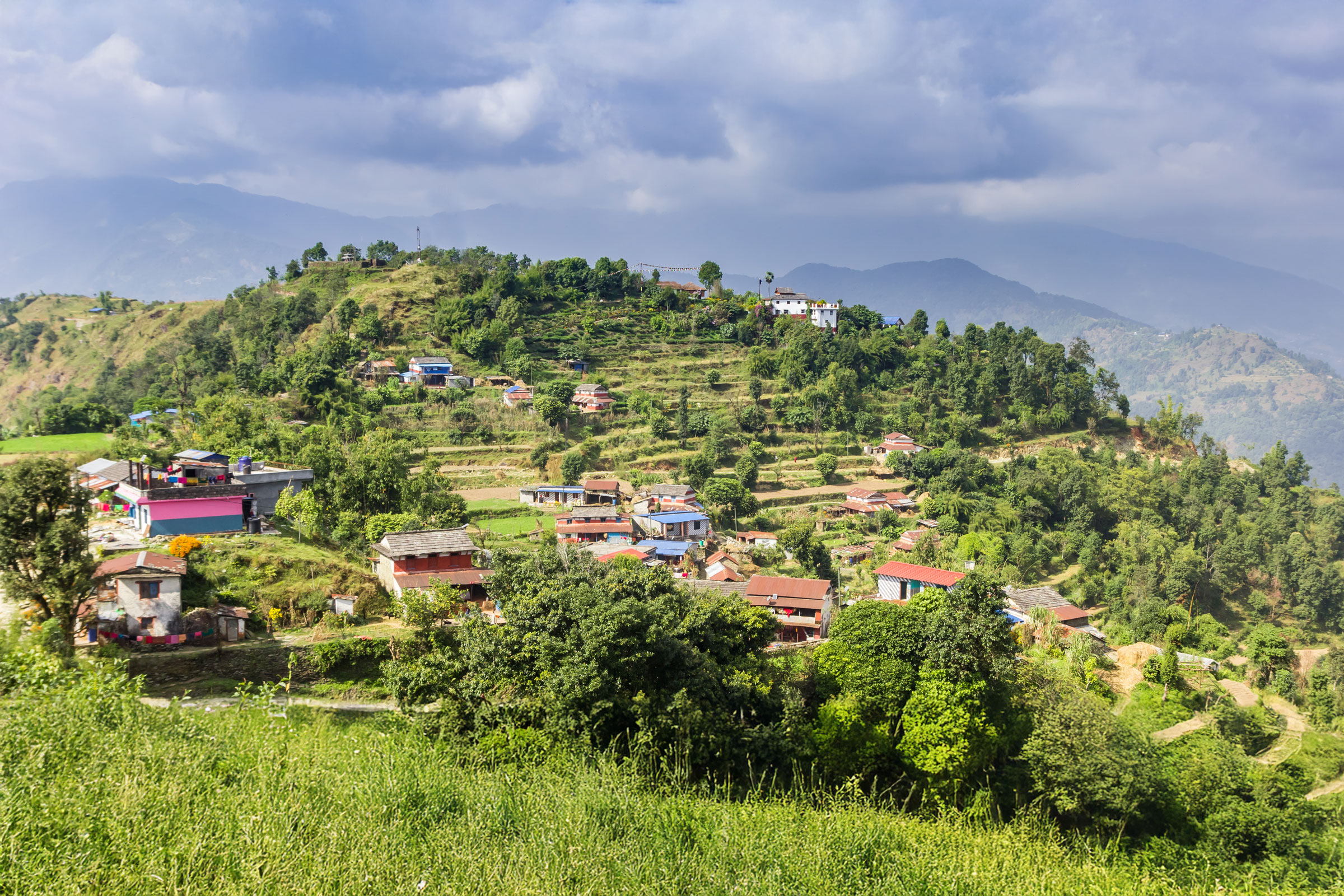
The WISIONS Innovations Lab in Nepal project, led by Winrock International in collaboration with PEEDA and RECOFTC Nepal, is a long-term, phased initiative implemented in Baglung and Jumla districts. The project aims to strengthen rural livelihoods through decentralized renewable energy solutions and integrated landscape management.
During Project Phase I and II (April 2023 – May 2024), a systematic foundation for long-term collaboration was established with local stakeholders. In this period, the project partnered with local governments, MHP cooperatives, community organizations, and the private sector to conduct policy dialogues, capacity development, technology testing, and to set long-term perspectives for energy and natural resource management. This approach allowed the project to move forward as a systematic, iterative and scalable model rather than a one-time intervention.
In Phases III and IV, the project aims to further consolidate activities to ensure sustainable livelihoods and environmental sustainability at the local level.
During these phases, special focus is placed on:
- Capacity building, technical training and financial sustainability of local institutions and MHP cooperatives;
- Policy development and implementation in collaboration with local governments;
- Grid connection and operation of mini/micro hydropower projects through coordination with NEA and other government bodies; and
- Promoting community-centered solutions that are environmentally friendly and economically sustainable.
This project has not only tested innovative technologies and practices but has also established an integrated approach across policy, finance and technology, ensuring long-term collaboration and ownership among local communities, cooperatives and government agencies. In doing so, the WISIONS Innovation Lab Nepal project is contributing as a model in rural energy access, local economic development and environmental sustainability.
Key Project Activities and Achievements
1. Establishment of Inter-Local Government Coordination Committee:
- A seven-local-level coordination mechanism — Daram–Badigad Watershed Inter-Local Government Coordination Committee — was formed among six local governments of Baglung and one of Gulmi (Dhorpatan Municipality, Musikot Municipality, Galkot Municipality, Tamankhola Rural Municipality, Tarakhola Rural Municipality, Nisikhola Rural Municipality, Badigad Rural Municipality) for coordination, service delivery, sustainable development and infrastructure planning.
- Within this mechanism, a joint waste management system and a multi-purpose structure with a public park are currently being initiated.
2. Grid Connection of Micro Hydropower Plants: MHPs such as Nisikhola-II, Chachalghat, and Girindikhola have been connected to the national grid, enabling increased local income through surplus electricity sales.
3. Post–Grid Connection Impact Assessment: Technical, operational and economic assessments of five MHPs indicate positive impacts on local communities.
4. Promotion of E-Mobility: A feasibility study of electric public transport along the Galkot–Badigad–Nisikhola corridor was conducted, assessing environmental and economic benefits.
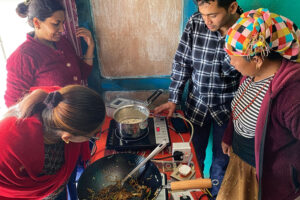
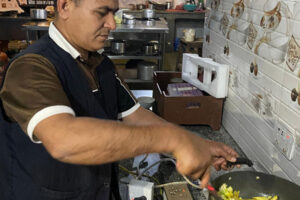
5. Promotion of Electric Cookstoves: Electric cookstoves have been installed in hotels, restaurants, and schools in Baglung as an alternative to traditional fuels.
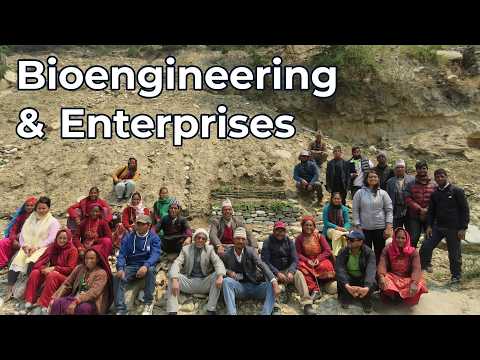
6. Integrated Landscape Management: Bio-engineering technologies have been applied for slope stabilization, landslide and flood risk reduction, and protection of MHP infrastructure.
Related Content
From Endorsement to Action: The Fifth Meeting of the Local Government Forum Demonstrates Active Inter-Local Government coordination
Nepal’s Micro-Hydropower Transition towards locally-rooted sustainable energy business
Report from Nepal: Exploring the Potential of Small Businesses for E-Cooking Solutions
Understanding the Diffusion of E-cooking Solutions for Micro Enterprises in Rural Nepal

From Firewood to Induction: Implementing E-Cooking in Small Businesses in Nepal’s Hill Regions