The Director’s Take: Stephanie Lillegard on centering human rights within systems change

How is Winrock’s 2026-2028 strategic plan changing the way we work? In “The Director’s Take,” we ask leaders across the organization to share their thoughts on what’s shifting, how we’re working, and what comes next. Stephanie Lillegard, director of Winrock’s Human Rights portfolio, kicks off the series with insights on integrating human rights across supply chains, sectors and geographies.
What’s changed
From your perspective, what feels meaningfully different about how Winrock is approaching human rights work as part of this new chapter?
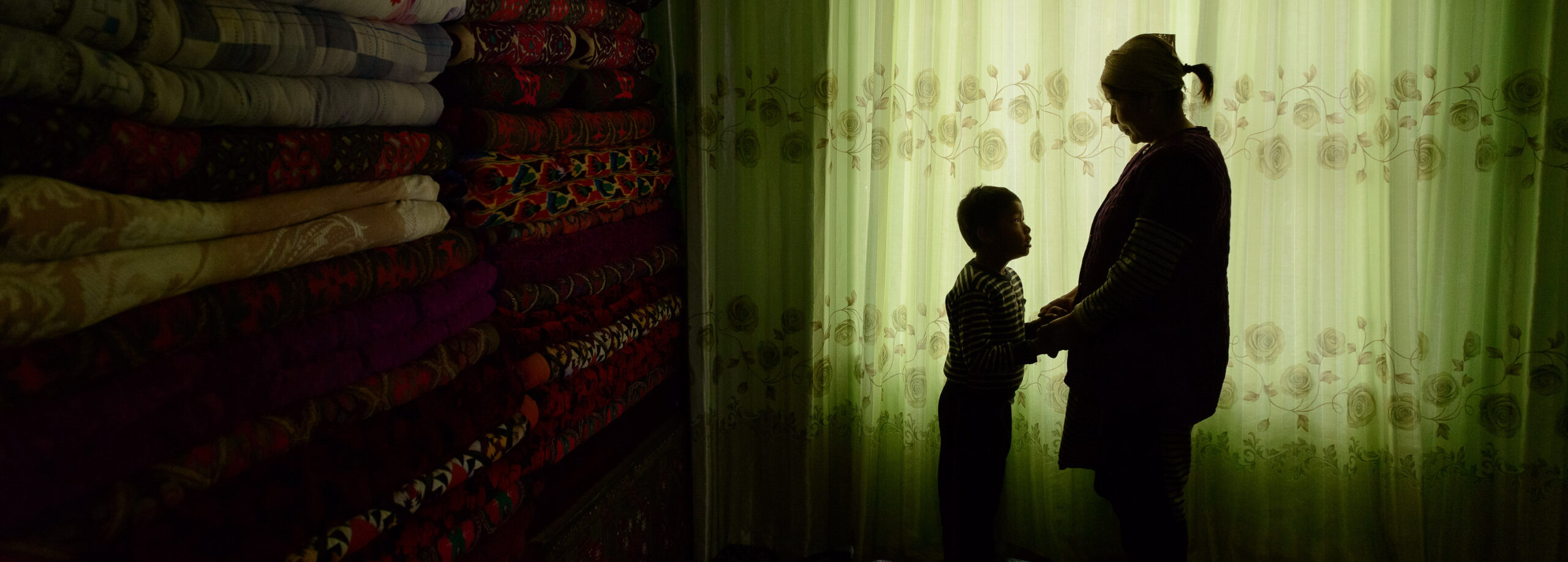
In the current landscape, Winrock is leaning into its roots in human rights and the spaces where we feel we can add the most value. While we have historically done extensive work in education and youth development, we are really focusing our energy right now on the prevention of exploitation and how that intersects with some of Winrock‘s other work in agriculture and environment. In this new chapter, we are focusing on our extensive history in preventing and responding to child labor and trafficking in persons. We are also focusing on supply chains and areas where global shocks and stressors, whether economic or environmental, are pushing people around the world into difficult situations and increasing the potential for exploitation. Active or recent work we’ve led, such as the KATCH project, which strengthens systems to prevent child trafficking in high-risk sectors, and Asia CTIP, which improved evidence and engaged businesses to combat trafficking across Asia, reflects this sharp focus on preventing exploitation and addressing root causes.
Additionally, we’re prioritizing geographies where we have deep roots and networks, pursuing new or expanded work in countries including Bangladesh and Cambodia in Asia, and Liberia in West Africa – places where we already have strong relationships with local partners and governments.
Working across portfolios
How does Winrock’s structure and approach affect your team’s collaboration with colleagues in agriculture, environment, and other areas — and what new possibilities does that create for human rights work?
I have been at Winrock for over a decade and in that time I have never seen the level of collaboration within the organization as I’m seeing now. Teams are working more collaboratively to look at the intersections of how agriculture, environment and human rights impact each other and how we can bring more holistic solutions to some of the greatest global challenges of our time. For example, we know that 61% of all child labor is an agricultural supply chains. In addition to working to improve agricultural productivity and improve livelihoods, we are integrating safeguards that reduce exploitation of workers who are often seasonal and part of an informal and often invisible workforce.
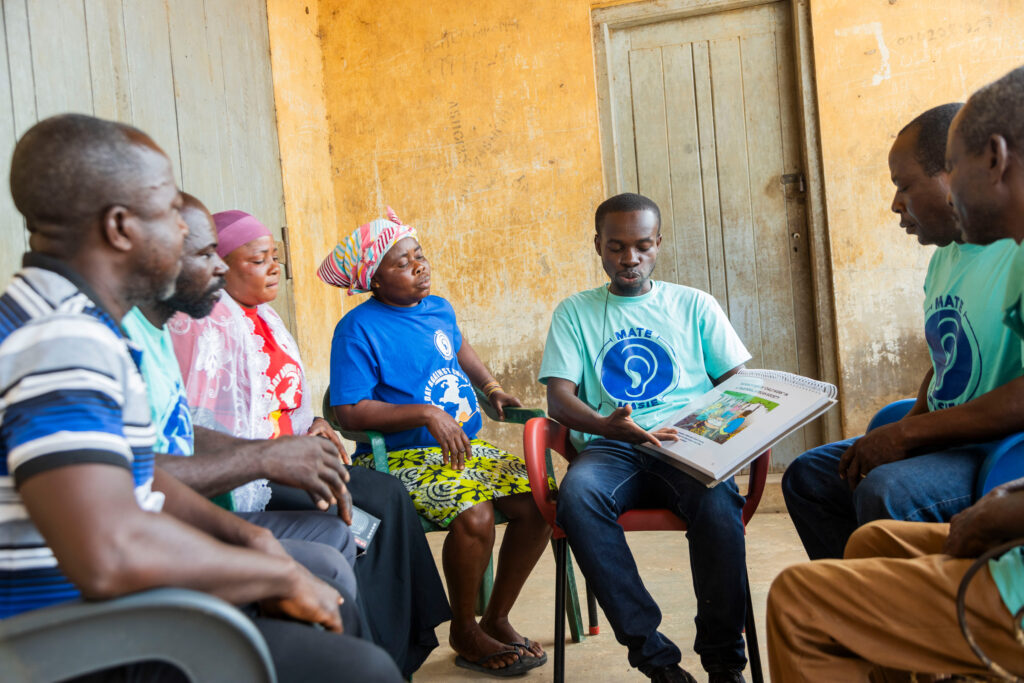
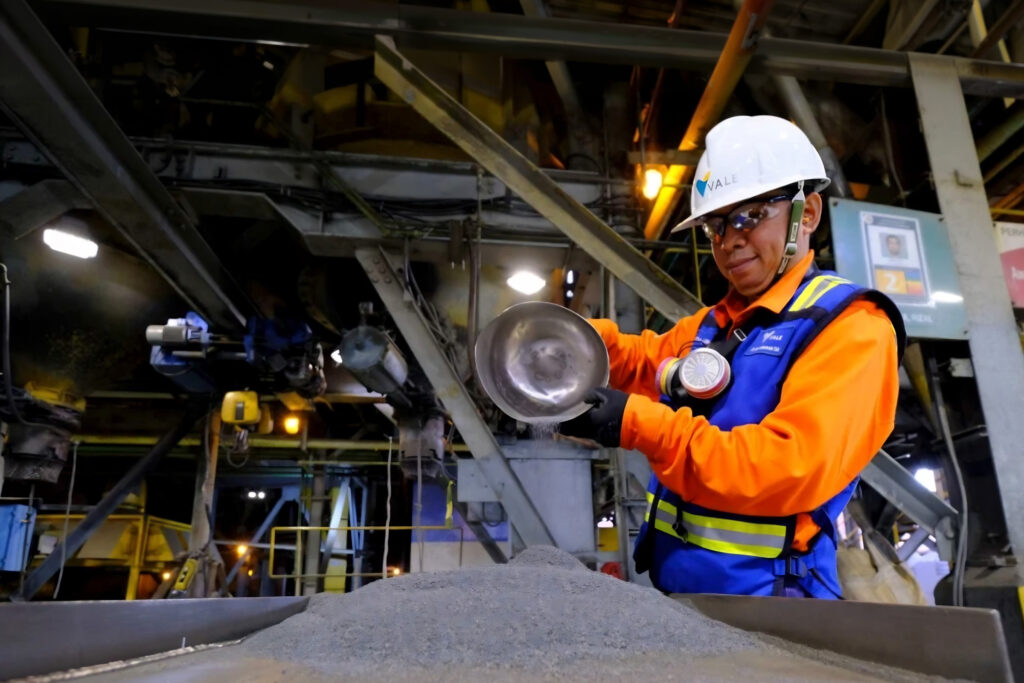
As the world moves towards more renewable energy, there’s greater global dependence on critical minerals. In addition to looking at environmental protections, Winrock is strengthening safeguards for workers so that there truly is a “just transition” for all. Not many organizations can bring the kind of deep expertise in water, emissions, agriculture, and human rights as Winrock. We’re also able to provide a complete package of services that can help companies address all of their ESG [environmental, social and governance] and sustainability goals. For example, through our work on projects like Advancing Human Rights within Nestlé’s Palm Oil Supply Chain, we’re helping suppliers strengthen due diligence, protect workers’ rights and reduce risks of exploitation in global palm oil supply chains — one of the most complex and high-risk agricultural sectors in the world. At the same time, initiatives like SECURE in Indonesia, where we’re working on the critical minerals supply chain, and MATE MASIE in Ghana, where we helped prevent child labor in the cocoa value chain, demonstrate how we can help advance labor protections and community-based solutions in emerging sectors like critical minerals, as well as in long-standing agricultural supply chains.
Doing development differently
Where do you see new or emerging opportunities to advance human rights protection by working differently — whether through partnerships, integrated programming, or new ways of framing impact?
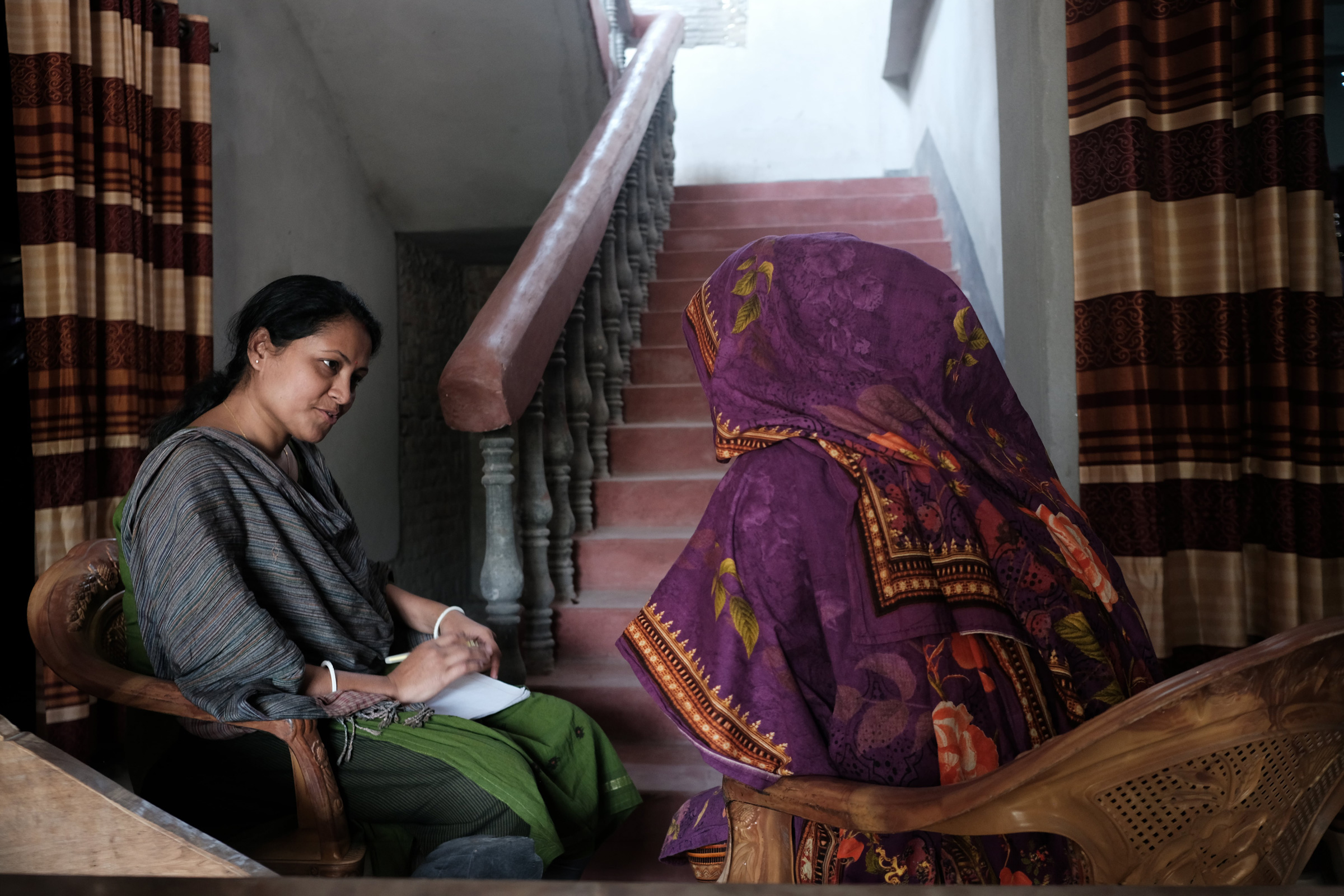
Winrock has a long history of partnering with companies to address supply chain risks and improve resilience of the communities where they source. From the human rights perspective, this has meant working to prevent and remediate child and forced labor in supply chains like cocoa in Ghana, tea in Rwanda, rubber farming in Liberia, cotton, palm oil in Malaysia, fishing – our work to prevent child labor in the dried fish processing sector in Bangladesh comes to mind – critical minerals, and so on. We’ve had a lot of conversations recently with companies grappling with their own challenges in transparency and traceability in their supply chains in an age when consumers and investors want to know that the products are ethically produced.
Winrock’s pairing of system-strengthening to monitor and enforce labor protections, combined with community engagement, allows us to partner with these companies to more accurately understand and mitigate risks that can impact their reputation and ability to import products into U.S. or European markets. We are also using technology and AI solutions to look at how we may be able to automate some of these processes for more cost-effective, scalable and timeline-focused interventions.
Looking ahead
As Winrock sharpens its focus on rural resilience and prosperity, what are you most hopeful about for the communities and individuals your portfolio works with, and what will it take to realize that hope?
One of Winrock’s greatest differentiators has been our ability to work both at the national and regional levels to strengthen policies and promote international coordination, while also working at the grassroots level. In all of our work, we engage persons with lived experience to share their perspectives and ensure they are part of decision-making and identifying a collective solution. Winrock’s proven community engagement approaches elevate those most affected to ensure they have a seat at the table, whether it’s an Indigenous community trying to prevent deforestation or a survivor of human trafficking advising on how to ensure that support services are accessible.
Related Projects
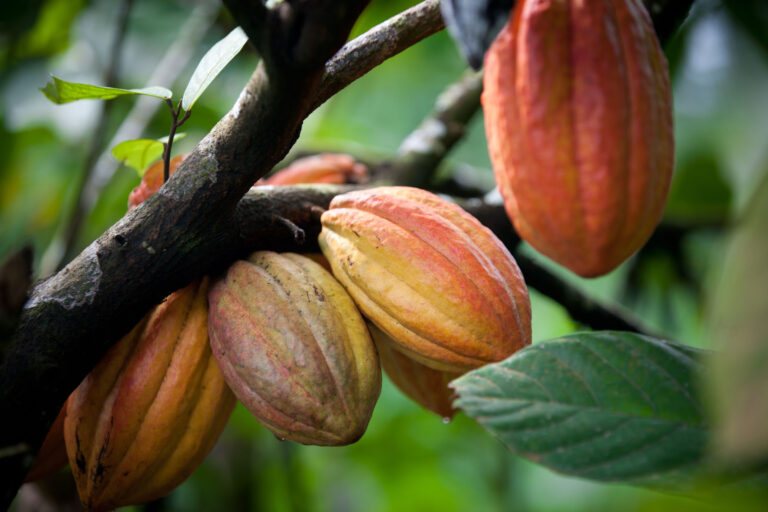
Making Advances to Eliminate Child Labor in More Areas with Sustainable Integrated Efforts (MATE MASIE)
The MATE MASIE project strengthens capacity, connections, and accountability across child labor enforcement and monitoring within cocoa cooperatives in Ghana. The project builds the capacity of cooperatives to support vulnerable member households both directly and by linking their members with other service providers. The project is funded by the U.S. Department of Labor’s Bureau of…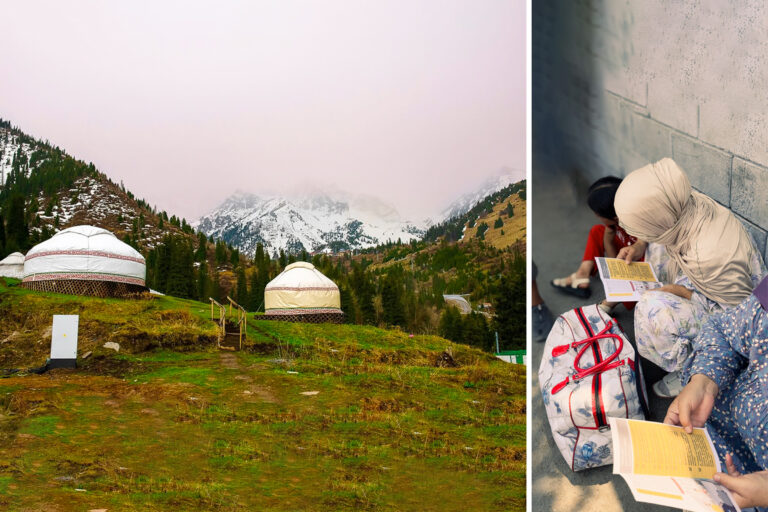
Kazakhstan Actions Against Trafficking in Children (KATCH)
As a transit and destination location for migrants from the Kyrgyz Republic, Tajikistan and Uzbekistan, Kazakhstan ─ Central Asia’s largest country ─ faces increased domestic and international migration, exacerbated by economic turmoil from the COVID-19 pandemic and Russia’s invasion of Ukraine. For example, thousands of undocumented Uzbekistani migrants transit into Kazakhstan each day via informal […]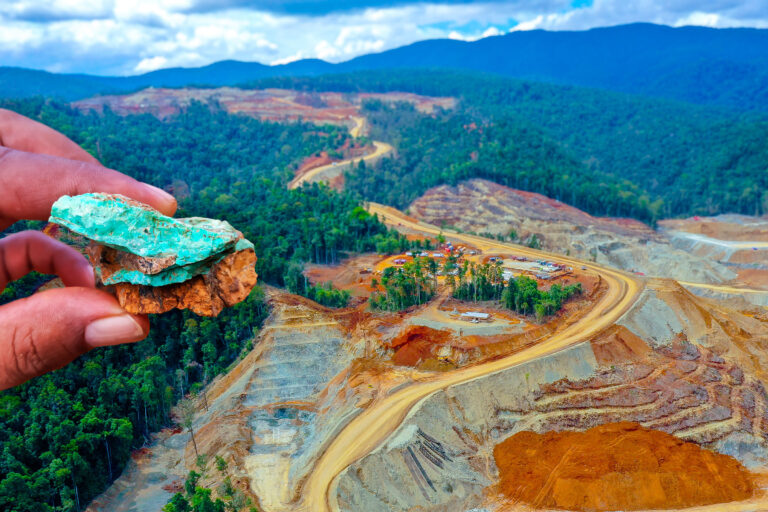
Strengthening Labor Enforcement and Compliance to Unlock Resilient and Ethical Nickel Supply Chains (SECURE)
The Strengthening Labor Enforcement and Compliance to Unlock Resilient and Ethical Nickel Supply Chains (SECURE) project is a 4.5‑year initiative led by Winrock International and funded by the U.S. Department of Labor’s Bureau of International Labor Affairs. The project supports U.S. priorities by strengthening labor protections and enforcement in Indonesia’s nickel sector — an essential […]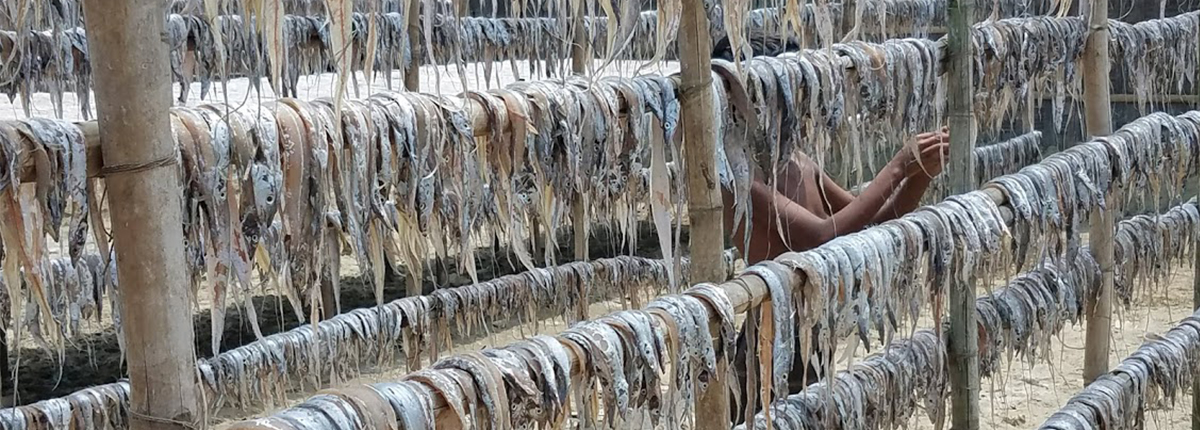
Child Labor Improvements in Bangladesh (CLIMB) Project
Economic realities mean that child labor is widely accepted and very common in Bangladesh. The dried fish sector in Cox’s Bazar and surrounding coastal areas is plagued by some of the worst forms of child labor. Children work for up to 13 hours in the sun, using knives, wearing no protective gear, and climbing on…