Winrock launches new climate-resilient milling initiative with support from Rockefeller Brothers Fund
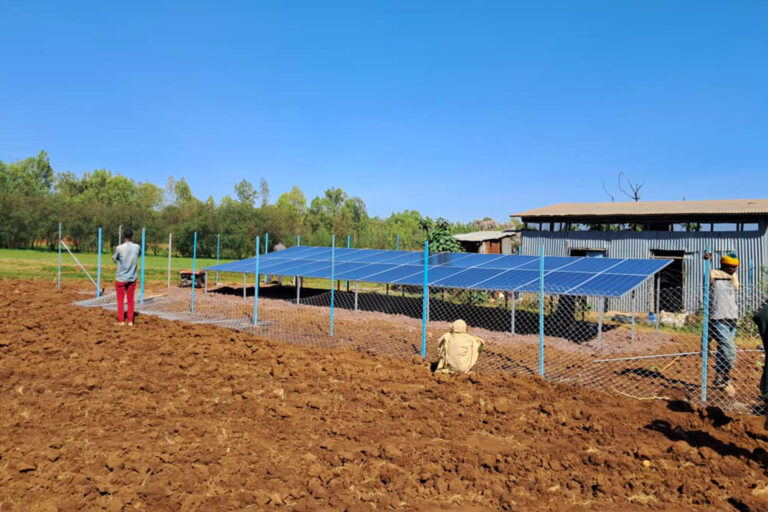
Winrock International is proud to announce a new project funded by the Rockefeller Brothers Fund that will advance community-led climate resilience and economic empowerment of rural women in Ethiopia. This initiative explores the commercial viability of solar-powered micro-milling in off-grid rural communities — an innovative approach that reduces drudgery and travel times for women while moving away from reliance on costly, unreliable diesel mills and creating new income opportunities for local women entrepreneurs in their own communities.
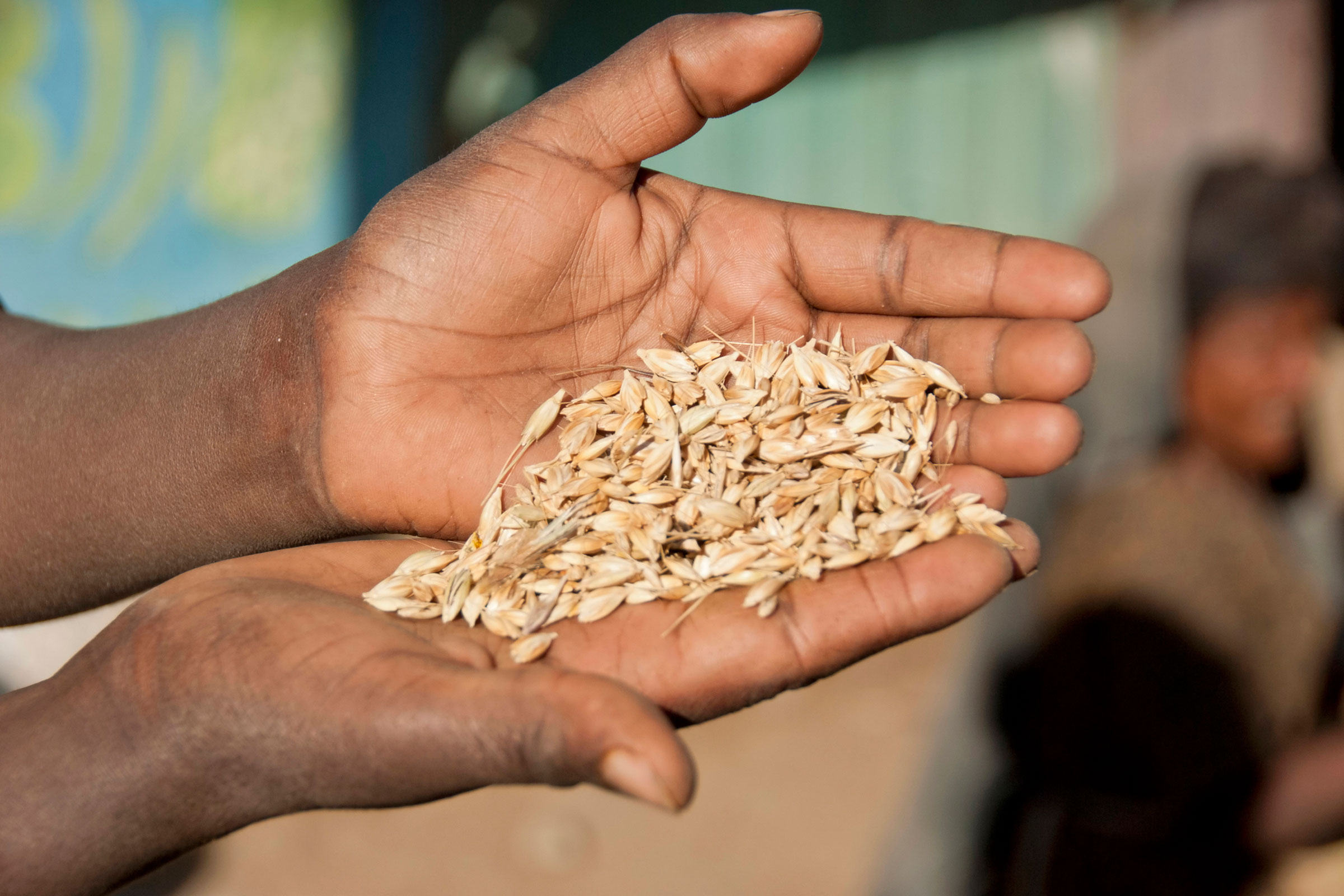
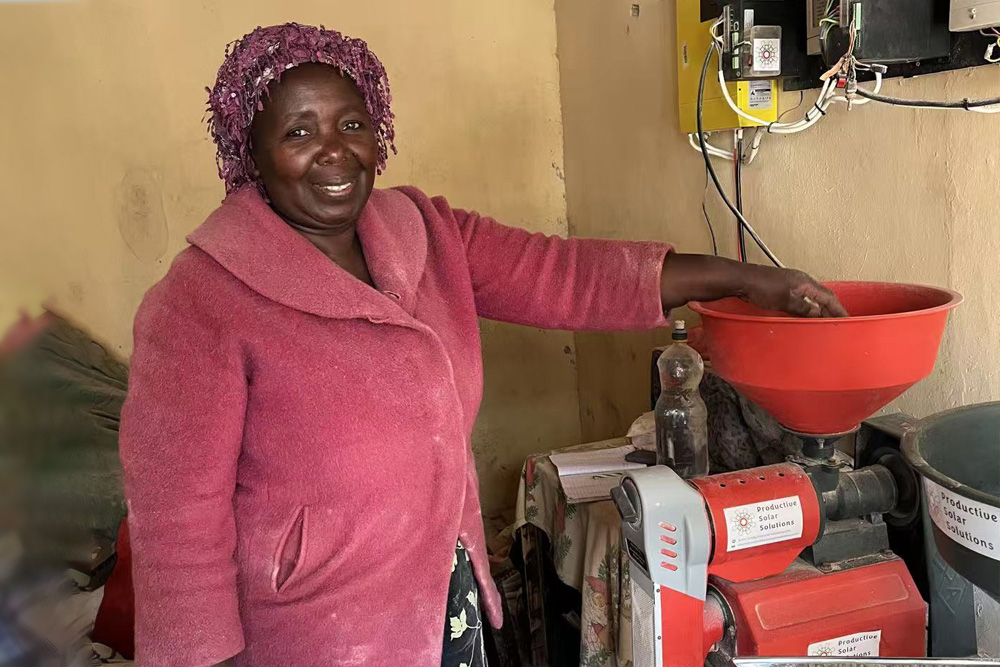
Across Ethiopia, thousands of rural households depend on diesel-powered mills to process staple grains such as maize, wheat, barley and teff — an ancient Ethiopian superfood and the key ingredient in injera, the country’s iconic flatbread. Milling these grains locally is essential for food security and cultural continuity, yet families often travel miles to reach diesel mills. A promising solution piloted by Winrock with local partners — solar micro-mills — offers a cleaner, more reliable alternative that can cut milling costs by 15–50% and eliminate long, costly trips. With throughput ranging from 30–80 kg/hour, these mills can sufficiently meet the needs of rural communities at a fraction of the operating cost of diesel mills.
Community-led, market-focused
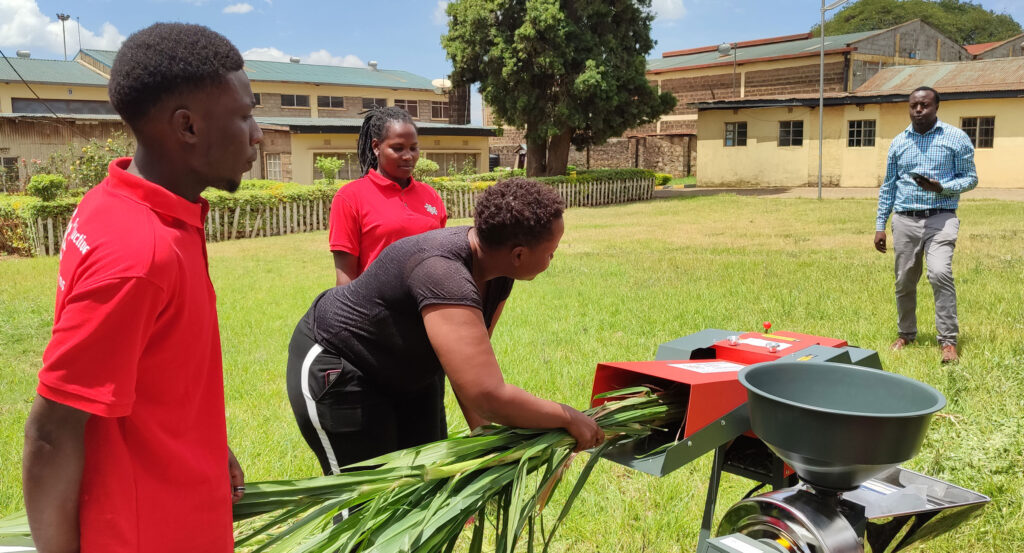
This project is grounded in a business case approach: Winrock will partner with local women entrepreneurs to operate solar mills as income-generating businesses. During a six-month pilot in three communities in Central Ethiopia, entrepreneurs will manage the mills, track revenues and demonstrate the commercial potential of this model. At the end of the trial, they will have the option to purchase the mills at a discounted price, supported by microfinance loans. This approach ensures sustainability, fosters private-sector engagement and empowers communities to lead their own climate adaptation strategies.
“Agricultural milling in much of sub-Saharan Africa is still powered by diesel engines in towns that women have to walk many miles to reach. With the declining price of solar PV, micro solar mills are now viable to operate in villages at the same or lower tariff than diesel milling. Winrock is excited to demonstrate a business model for micro mills operated by women entrepreneurs in villages in Ethiopia that can sell services to their neighbors.” — Bikash Pandey, director of Clean Energy & Circular Economy, Winrock International
Building on proven success
The new initiative builds on lessons from Winrock’s ongoing solarizing water supply project in Ethiopia, funded by the Conrad N. Hilton Foundation. That project has shown how market-based solutions can strengthen both community and environmental resilience, reducing dependence on fossil fuels while improving access to essential services.
By applying similar principles to grain milling, Winrock aims to scale solar micro-milling to 50–100 communities across Ethiopia, creating a ripple effect of economic opportunity and climate action.
Driving climate action and economic opportunity
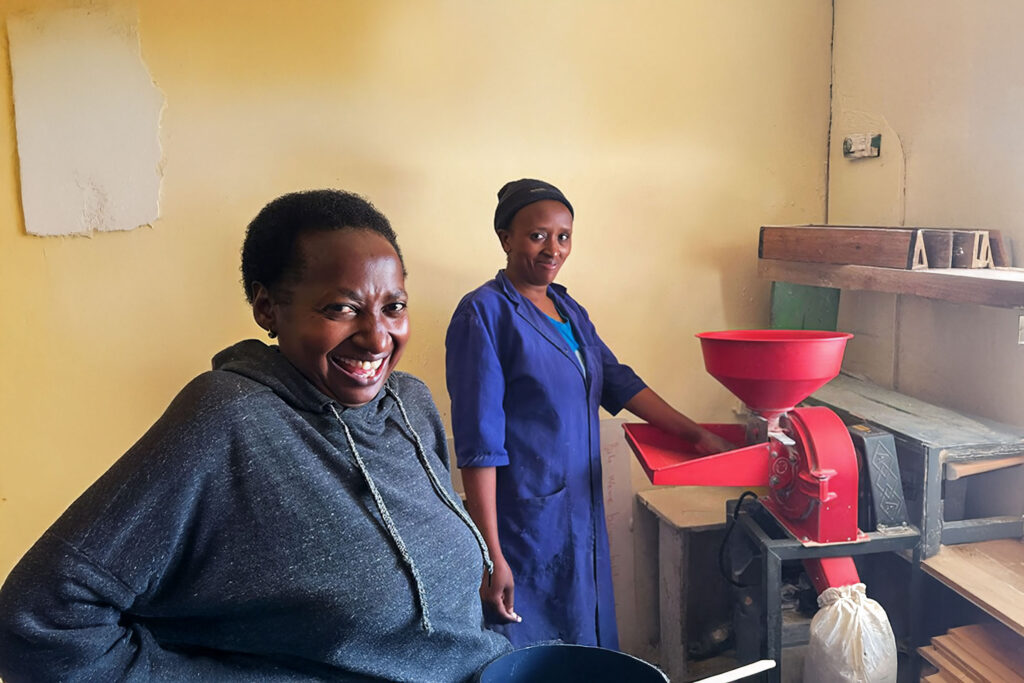
Solar micro-mills are more than a technical innovation — they represent a pathway to climate-smart livelihoods. By replacing diesel mills with clean energy alternatives, communities reduce greenhouse gas emissions, improve food security and unlock new entrepreneurial opportunities, particularly for women. Winrock will also engage with Ethiopia’s World Bank-supported ADELE program to advocate for financing mechanisms that make solar mills accessible to rural entrepreneurs nationwide.
This project exemplifies Winrock’s commitment to community-led change and market-driven solutions that deliver lasting impact. With support from the Rockefeller Brothers Fund, Winrock and Ethiopian communities are turning climate challenges into opportunities for resilience and growth.
Related Projects
Ethiopia Village Solar Micro-Milling Feasibility Study
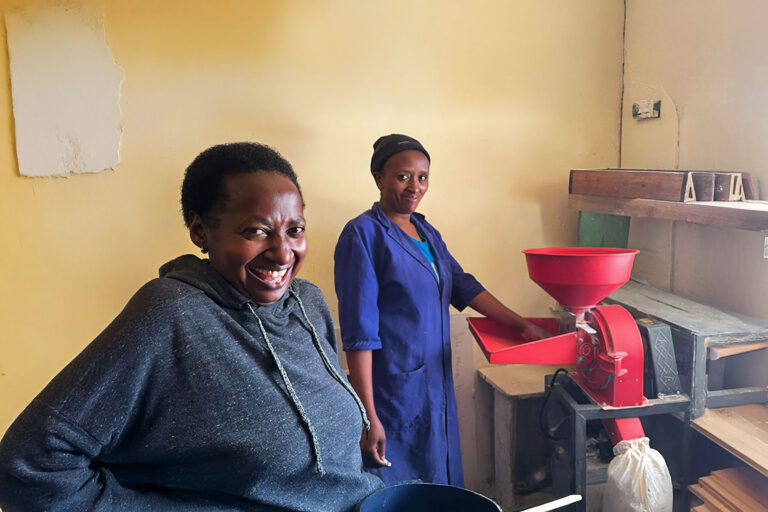
The goal of the Ethiopia Village Solar Micro-Milling Feasibility Study is to demonstrate a revenue model for off-grid village solar micro-milling in Ethiopia. Winrock will identify three communities where residents travel long distances to diesel mills, and work with women entrepreneurs to install and operate 1-3 kW solar-powered grain mills. Over six months, the entrepreneurs […]