Ending Child Labor from the Inside Out
By Rodney Ferguson, President and CEO, Winrock International
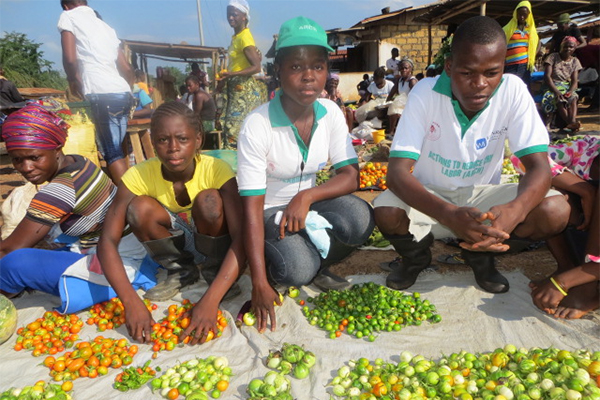
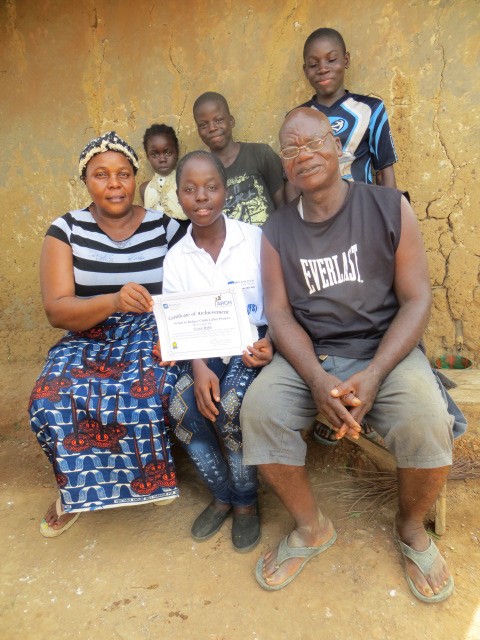
 Mercy Dahn was 9 years old when she began working on her father’s rubber farm in Liberia. At first she dug holes and planted young trees, but as she grew older the tasks grew more difficult and dangerous. She worked with acid that irritated her skin, and carried heavy buckets of latex that leaked wastewater into her eyes. She never thought of stopping because her family needed help. Going to school was out of the question.
But Mercy’s life began to change two years ago, when she learned to grow and sell vegetables as a way to provide income for her family and go to school. “It is the economic hardship that caused my daughter to do the kind of work she did,” said Mercy’s father, who attended workshops that raised his awareness of child labor’s hazards. “But thank God it’s over.”
Now 17, Mercy is a peer mentor in her village. Her life improved in part thanks to a U. S. Department of Labor-funded ARCH program run by Winrock International that brought rubber companies, unions, farmers and communities together to create shared solutions to reducing child labor. Strange bedfellows? Perhaps. But combining forces has strengthened relationships between management and workers, and made child labor issues harder to ignore.
One hundred and sixty-eight million of the world’s children work at unsuitable tasks and unsuitable hours. Fueled by poverty, low wages, lack of decent jobs and limited access to school or vocational training, child labor denies kids an education and access to skills that would lead to better paying jobs in the future. It robs them of childhood, it’s self-perpetuating, and — worst of all — many of us enable it.
 Child labor is no longer someone else’s problem. The complexities of modern production make it more likely that something we use or consume every day — from seafood and chocolate to the minerals used in phones and laptops — may be made, mined or harvested by a child. Which is why this year’s World Day Against Child Labor highlights supply chains. The gnarly nature of these chains — and the many links in them — should concern us all.
But if it took a global village to create this situation, a global village can also end it. At Winrock, we take a collaborative approach to eradicating child labor, addressing its economic, social and educational causes by engaging with governments and the private sector. Our private sector involvement is not just lip service; we work with companies from the inside, setting up mechanisms to monitor the presence of children in the workplace, incorporating child labor issues into company policies and more. We also know first-hand the willingness of governments to address child labor head on — not just because it damages the reputations of countries and companies who allow it, but because it’s the right thing to do.
The government of Rwanda, where we have a project called REACH-T, has made child labor an issue in its national development plans. There is legislation prohibiting child labor and new policy guidelines to withdraw all children from the workforce and give them a chance to go to school. Equally encouraging is how these new policies are being embraced by an unlikely alliance of employer’s organizations, trade unions, private sector agencies, civil society organizations and, of course, families and children themselves. With rising school enrollment rates, Rwanda is proving that solutions, like challenges, do not exist in isolation.
But Rwanda is not alone. In every country where we have projects striving to end child labor — Liberia, Rwanda, Tanzania, Ghana, Brazil, Malawi and Zambia — governments and private sector companies are part of the solution.
In our newest project, we’re helping 40 cocoa-growing communities in Ghana design and implement their own plans for raising awareness about child labor. The project will propel more than 2,800 children back to school and give 1,600 women household members with the tools to improve their livelihoods and increase income levels.
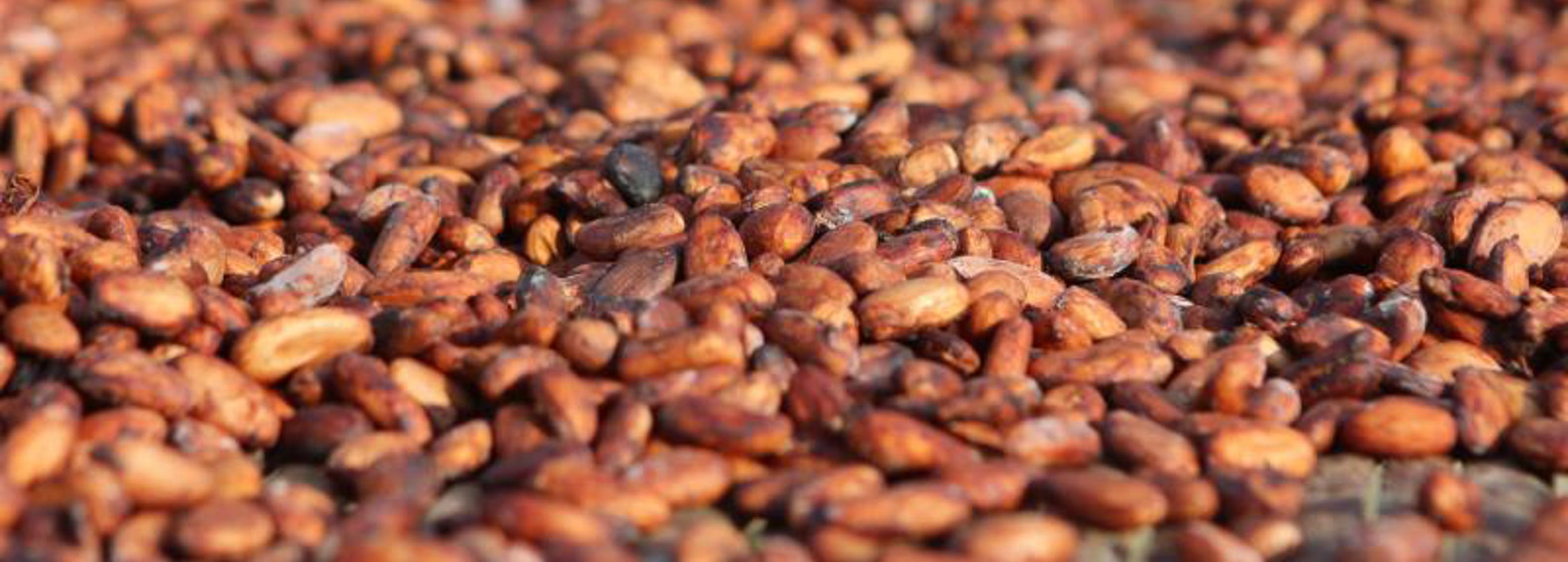
Although the Ghana MOCA-Youth project is just beginning, we’ve been involved in child labor eradication efforts in the cocoa sector since 2002, working from within the industry through the World Cocoa Foundation. And we applaud such private sector efforts as the fair-trade company Divine Chocolate and the 85,000 farmer members of the Kuapa Kokoo cooperative in Ghana who own it. The co-op has worked hard to eliminate child labor from its supply chains, and the commercial success it’s enjoyed is helping small villages build new schools.
Whether in the rubber farms of Liberia, the tea plantations of Rwanda or the cocoa-growing communities of Ghana, children fare best when adults work together to make change. It’s not just the best way; it may be the only way.
Click here to view the Twitter Chat Wrap-Up.
Related Projects

REACH-T
This project takes a comprehensive approach to help the government of Rwanda and its tea producers eliminate child labor in this key sector of the country’s economy. Besides improving access to formal and vocational education and strengthening the enforcement of existing labor laws, REACH-T raises awareness of child labor’s long-term effects. Building on Rwanda’s policy…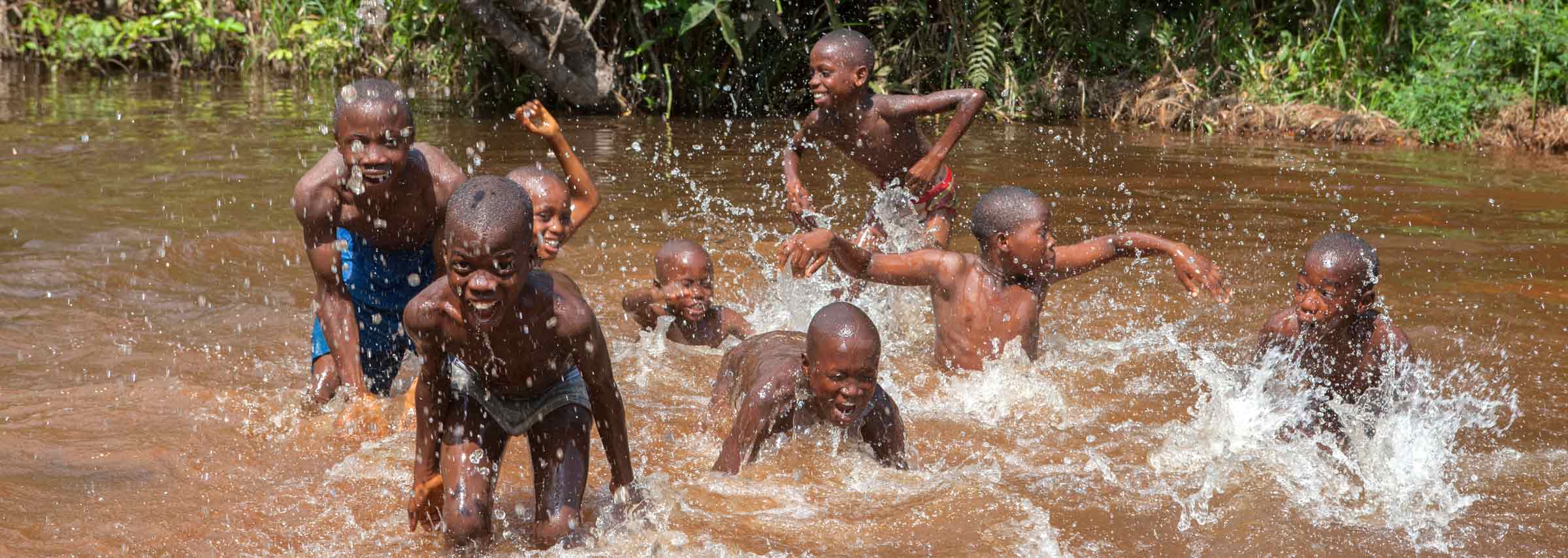
Actions to Reduce Child Labor (ARCH)
Agriculture, particularly rubber, is an important contributor to the Liberian economy. A significant number of children are involved in the production of rubber due to household poverty, the high cost of adult labor, a lack of awareness about the hazards of work and limited access to education. Under these economic and social conditions, children perform…