Power that lasts: Resilience in Nepal’s mountain communities
#WinrockResilienceStories is aimed at amplifying community voices and sharing innovative approaches, partnerships and solutions that strengthen rural resilience, improve environmental outcomes and support both people and planet. This month, we’re featuring collaborative initiatives in Nepal that highlight how clean energy solutions are helping rural communities strengthen livelihoods, expand economic opportunity and build resilience to climate and economic shocks.
In Nepal’s mountain districts, resilience is measured in practical terms. Whether the lights stay on during the monsoon. Whether a small business can stay open after dark. Whether families can rely on local energy instead of volatile fuel markets.
Winrock’s work in Nepal through the WISIONS Innovation Lab — an initiative of Germany’s Wuppertal Institute for Climate, Environment and Energy — is helping rural communities strengthen both sides of that equation: the economic systems that sustain livelihoods and the environmental and energy systems that make those livelihoods possible.
The approach focuses on connecting energy, enterprise, governance and natural resources into systems that can endure shocks and deliver value over time.
Keeping the power on
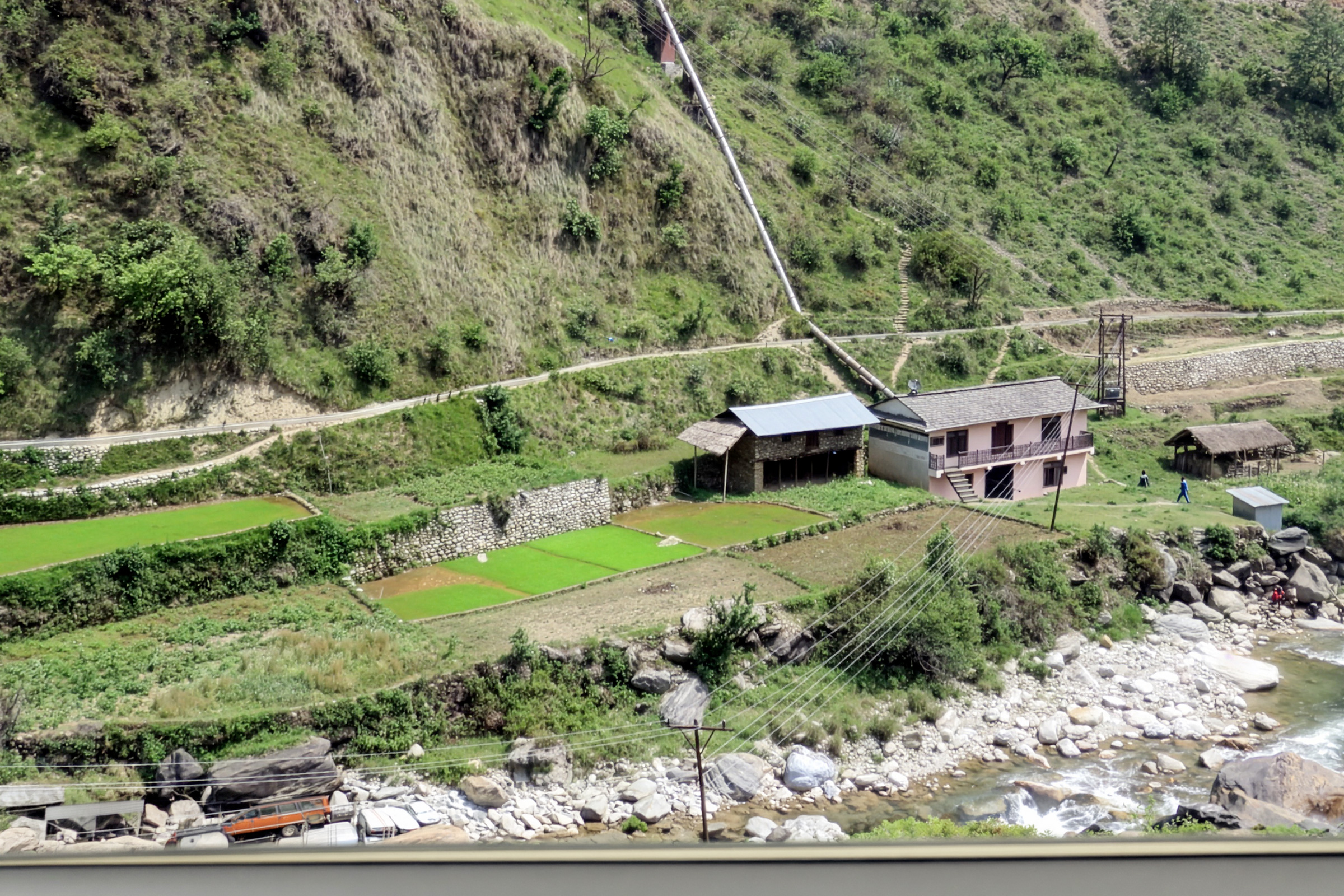
For decades, community-built micro-hydropower systems have powered life in remote parts of Nepal. They bring electricity to villages beyond the reach of the national grid, supporting everything from residential lighting to power for small businesses. But micro-hydropower systems are vulnerable to problems including aging equipment, financial strain and increasingly erratic climate conditions that damage canals and reduce water flow.
Community leaders describe the stakes clearly. In a WISIONS case story, one chairperson recalled: “Before grid interconnection, we sometimes stayed without electricity for 2–3 months during monsoon damage.” — Dhruba Regmi, Nisikhola II.
Those disruptions highlight a broader resilience challenge: Rural energy systems must reach those most in need and also be financially viable, technically reliable and adaptable.
Winrock’s work with the WISIONS Innovation Lab in Nepal has focused on exactly that transition. Through partnerships with local governments, cooperatives and technical organizations, the project is helping communities strengthen governance, improve management systems and connect micro-hydro plants to the national grid.
The initiative is helping to turn isolated infrastructure into part of a more stable, revenue-generating system. For operators, this shift can mean the difference between survival and loss.
As one micro-hydro operator put it in the WISIONS case story: “If we had not connected the MHP {micro-hydropower} to the grid, it would not have been possible for the plant to continue operating after two–to-three years due to financial and technical constraints.” — Thaman Gurung, Chachalghat.
From infrastructure to enterprise
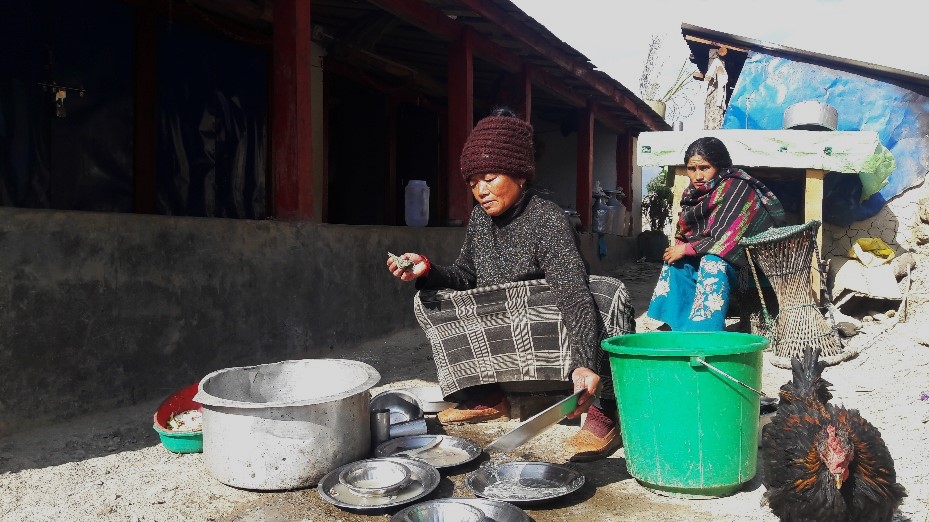
Winrock’s earlier knowledge-exchange work in Nepal, also funded by WISIONS, shows how strengthening management and governance can transform energy access into economic opportunity. At the Chachalghat Micro Hydro Plant, for example, training and peer learning have helped modernize operations and improve transparency.
“For a person who had never touched a computer throughout his life, trainings from Winrock opened unprecedented opportunities of learning,” said Chachalghat Plant Manager Mohan Shrees. “Soon after the trainings, I completed data entry for all customers and started a computer billing system with transparent accounting.”
Those changes had a ripple effect. Better management enabled more consistent service, expanded access and stronger financial performance. As Shrees explained: “We were very conservative about electricity distribution. It was only after the knowledge exchange program conducted by Winrock that we extended our electricity connection.”
For local businesses, that reliability matters. Draupati Balal, owner of a small hotel, said the extended connection helped her expand her operating hours because of consistent electricity — doubling her income as a result.
As Nepal’s national grid expands, many communities face new challenges, including how to integrate locally built systems without losing control or value. That transition involves technical adaptation, and also requires trust.
“Some community members believed connecting to the grid meant the MHP had been sold to [the national utility],” one local chairperson said in the WISIONS case story. Identifying misunderstandings and correcting misinformation required repeated consultations and awareness efforts, which helped build trust in the process and the results, over time.
Winrock’s approach in Nepal reflects a core principle of its broader 2026-2028 strategy: Resilience solutions must be both community-centered and locally owned.
“Our clean energy work in Nepal shows that resilience isn’t just about infrastructure,” said Badri Nath Baral, Winrock’s Nepal country director. “It’s about how smart partnerships and clean energy systems strengthen economies, help communities overcome challenges, manage resources, and adapt over time. It demonstrates how Winrock-led collaboration and knowledge sharing can have long-term impact in rural communities across South Asia.”
By working with cooperatives, facilitating open dialogue and strengthening local institutions, the WISIONS project is helping rural Nepali communities decision-makers in their own development while adapting to broader system changes.
Energy to power kitchens —and the economy
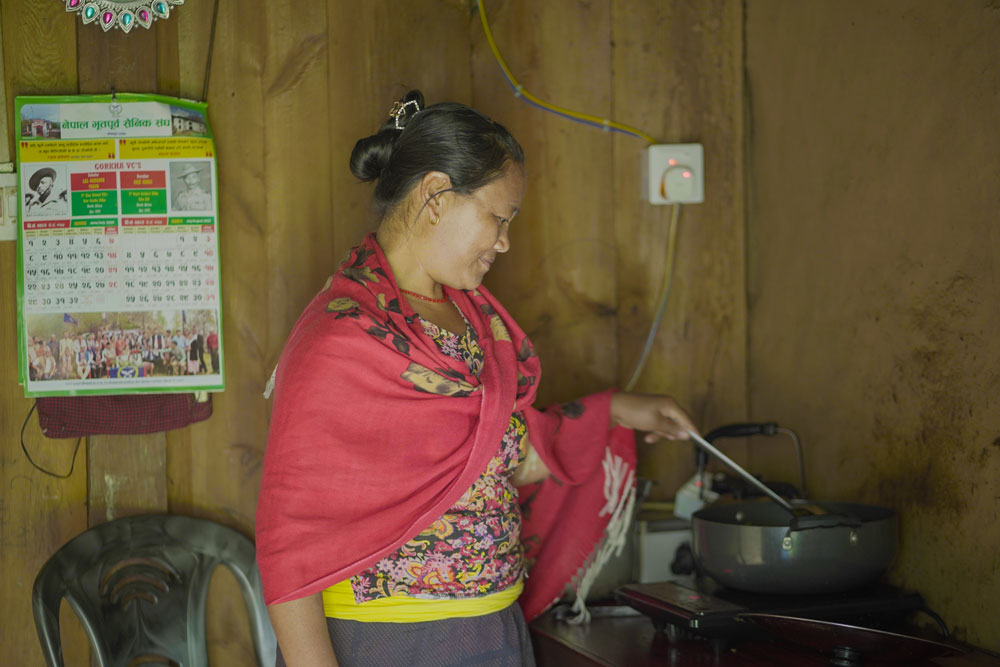
Resilience in Nepal’s mountain communities also runs through kitchens, where small restaurants and tea shops are essential parts of local economies.
Even in areas with high levels of renewable electricity, many businesses still rely on liquefied petroleum gas and firewood, creating both economic and environmental risk. Fuel prices fluctuate. Supplies can be disrupted. And indoor air pollution from wood-burning smoke or gas vapor carries long-term health consequences.
Electric cooking offers a different pathway: one that uses locally generated energy to reduce costs, improve working conditions and make better use of underutilized power from micro-hydro systems.
But adoption depends on real-world practicality. Entrepreneurs must weigh costs, durability and whether a new technology fits into already constrained spaces. Addressing these variables is central to building durable change.
Early experiences show strong potential. Research conducted as part of the WISIONS project highlights that electric cooking can reduce fuel costs, create cleaner kitchens and improve productivity for small enterprises, while increasing demand for locally generated electricity and strengthening the financial viability of micro-hydro systems.
Resilience in action
Taken together, these experiences point to a broader lesson: Resilience is built through connected systems. Energy systems that support enterprises. Governance systems that sustain infrastructure. Environmental systems that remain productive over time.
Winrock’s work in Nepal reflects that integrated approach. By linking decentralized renewable energy, enterprise development and environmental stewardship, communities can build solutions that are both effective and durable.
Related Projects
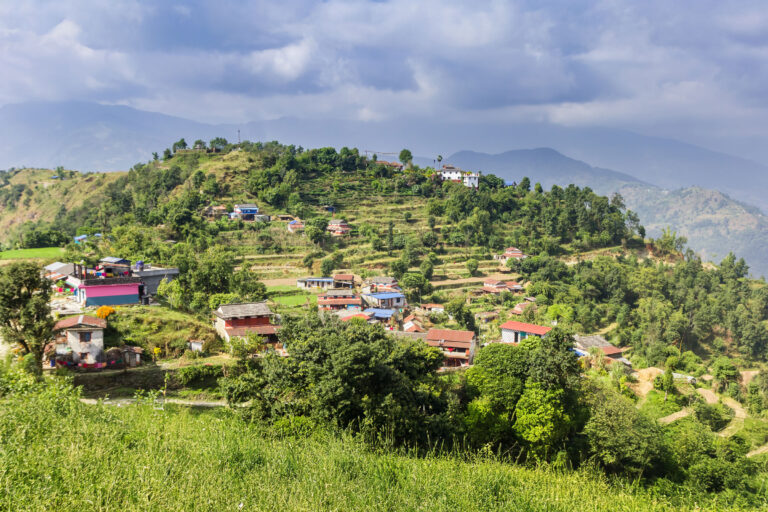
WISIONS Innovation Lab in Nepal
The WISIONS Innovations Lab in Nepal project, led by Winrock International in collaboration with PEEDA and RECOFTC Nepal, is a long-term, phased initiative implemented in Baglung and Jumla districts. The project aims to strengthen rural livelihoods through decentralized renewable energy solutions and integrated landscape management. During Project Phase I and II (April 2023 – May […]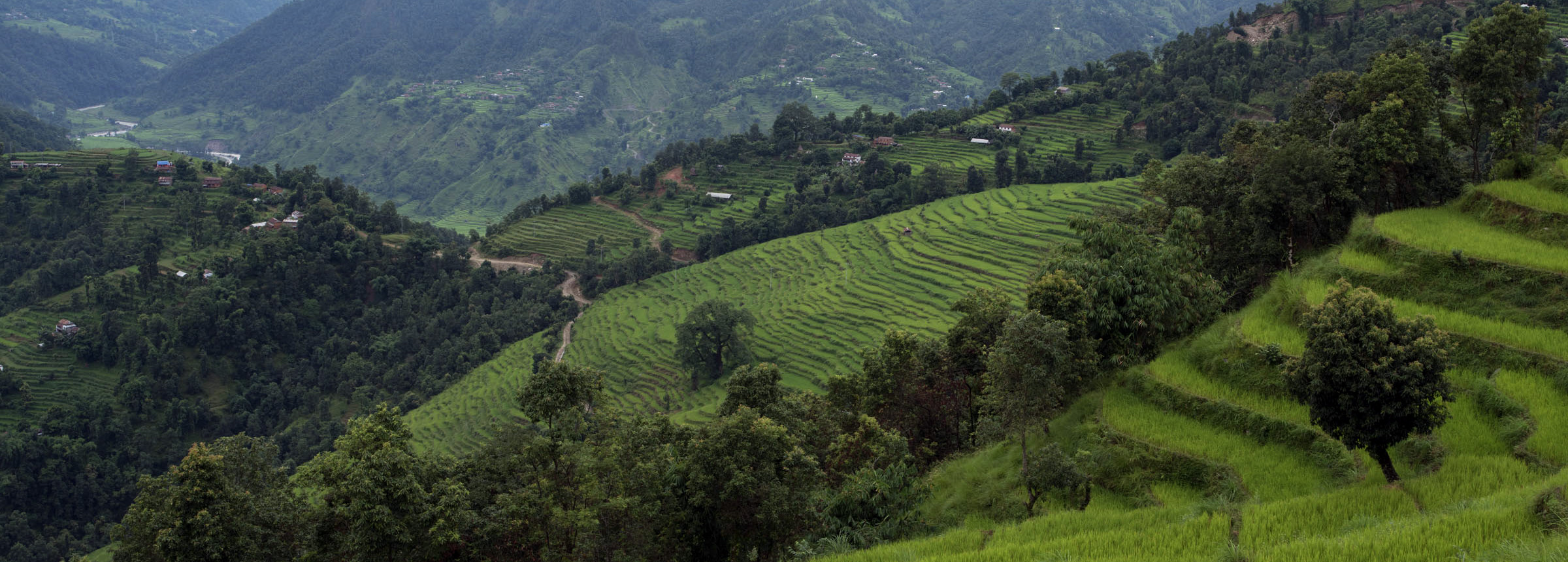
Efficient Electric Cooking Market Uptake in Nepal
While access to electricity has substantially increased in recent years in Nepal, a majority of Nepali households rely on firewood and other harmful fuels for cooking, according to the World Bank. To address this issue, the Efficient Electric Cooking Market Uptake in Nepal project will research consumer’s preferences for Electric Pressure Cookers (EPCs), as well […]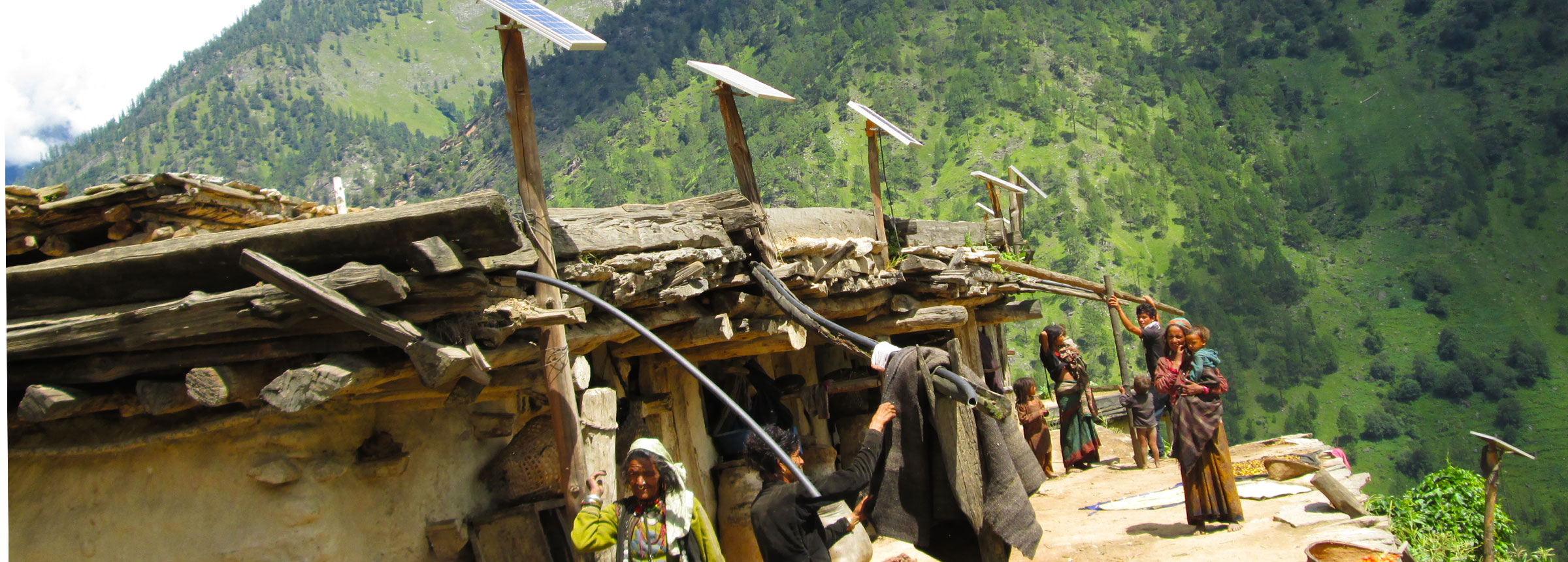
Nepal: Integrated Renewable Energy Technology Promotion
The vast majority of Nepalese living in rural areas lack access to electricity, a key ingredient for improving food security and economic opportunity. This program eliminates financial and technical barriers that stand in the way of rural communities reaping the benefits of renewable energy. Supported by the Dutch development bank and NMB bank, Winrock bridges […]