
The Director’s Take: Colin Quinn on investable resilience
How is Winrock’s 2026-2028 strategic plan changing the way we work? In our new series, The Director’s Take, we ask leaders across the organization to share their thoughts on what’s shifted, how we’re working differently, and what comes next. In this latest installment, Colin Quinn, director of Winrock’s Environment portfolio, offers insights on aligning private-sector investment, climate commitments and local expertise to drive durable, landscape-scale impact.
Looking ahead:
Where do you see the greatest promise in how Winrock is approaching resilience for rural communities and the ecosystems they depend on?
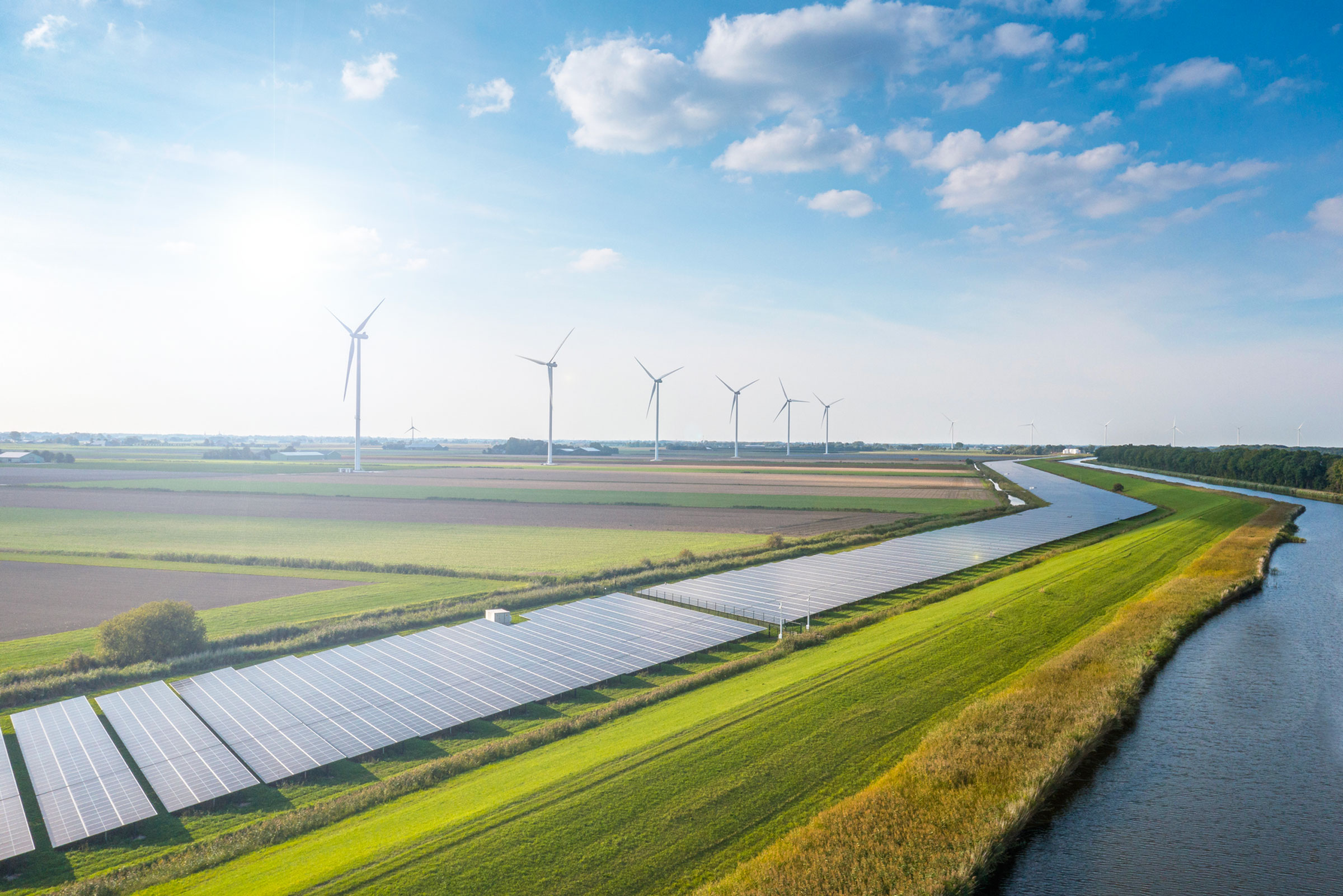
As Winrock steps into this next chapter, one thing that excites me is how we’re grounding resilience in solutions that are financially viable and built to last, both for people and for the planet. We’re leaning hard into models that can attract real investment; that is, bankable approaches that move beyond fragmented, project-by-project efforts and deliver impact at landscape-scale. That shows up in how we’re connecting corporate climate and nature commitments to real change on the ground, particularly for rural communities. We help companies deliver on their commitments in ways that also support the bottom line and build resilience in sourcing regions. We’re also designing and implementing clean energy and circular economy approaches that allow communities to partner with the private sector and improve their access to finance.
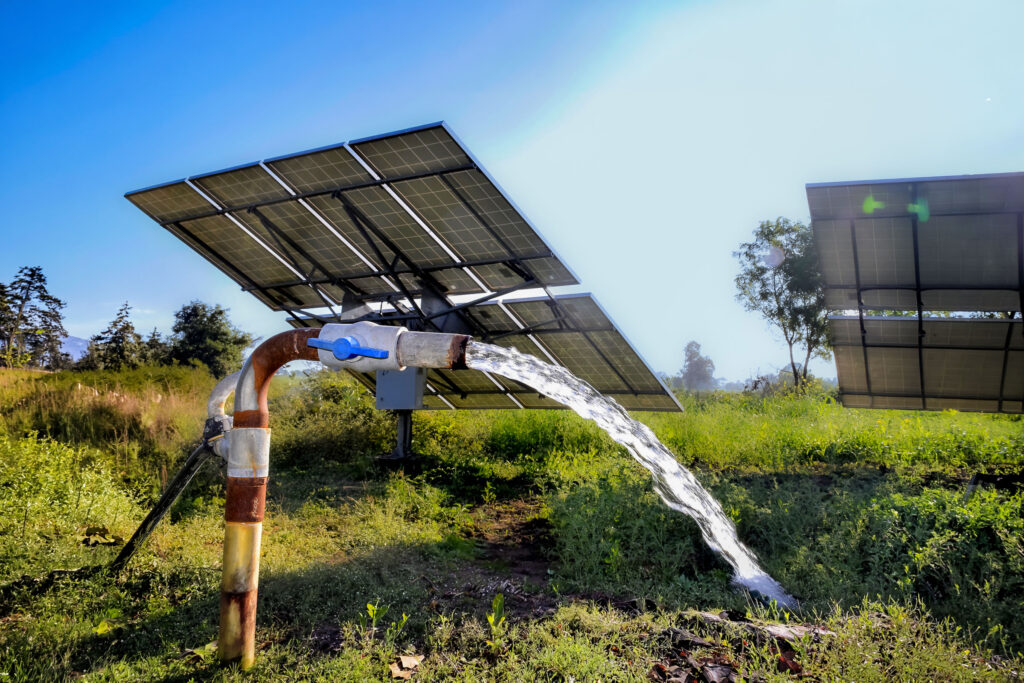
With that clean energy work, the idea is to move beyond models that leave communities reliant on ongoing subsidies for increasingly expensive diesel fuel, whether it’s to power critical infrastructure like water pumps, or to run grain mills in remote, dry areas. Our work in Ethiopia and Nepal offers some great examples of this in action. Across Latin America, we’re helping make forest conservation investable at scale by protecting landscapes while creating durable income streams for the people who live there. Our work on jurisdictional Reducing Emissions from Deforestation and forest Degradation — known as JREDD+ for short — in countries including Bolivia, Brazil, Costa Rica, Guyana and Mexico, as well as in Africa and Asia where we’re actively supporting governments or state-level jurisdictions to protect forests and find financing, also demonstrates this.
Another thing I really like about Winrock’s trajectory is that we are both going back to our roots and embracing a new world at the same time. Our approach builds directly on our history of working with farmers and entrepreneurs in Arkansas and across the Mid-South and Midwest, focusing on practical solutions that make sense in the real world. Our Advancing Markets for Producers project, in which we’re partnering with Riceland Foods across the U.S. rice belt, and our work over five years on organic agriculture in Arkansas, Missouri and Tennessee, are examples of what’s possible right here in the U.S.
We’re applying that experience and perspective in new ways, with new partners, new financial tools, and embracing opportunities that new tech like AI provides. It’s an exciting but also unpredictable and uncomfortable moment. I think we can push the envelope and help shape a bit of an uncertain future. We get to rethink how resilience is financed and delivered, so it actually lasts, especially for rural communities and for the ecosystems they depend on.
What feels different:
From your vantage point, what has shifted or is beginning to shift in how Winrock works on environment and resilience resulting from our refined strategic focus?
We’re designing solutions that are bankable from the start, addressing long-standing challenges like fragmented ecosystem investments, clean energy models that don’t scale, and difficulty translating corporate commitments into real impact. On the corporate side, Winrock’s work with some amazing partners on development of the new Climate Contribution Framework comes to mind. It’s a new way to score companies on their performance towards global net zero. That shift is changing how we engage partners, structure programs and define success. It also opens new opportunities to bring in catalytic capital and unlock private investment at scale.
At the same time, as I mentioned, advances in AI and new technologies are reshaping how we design, deliver and scale our work. We’re leaning into that shift, using AI to accelerate analysis, improve decision making, and expand what’s possible. But it also reinforces the importance of the human element. Technology can’t bring local context or judgment, and it doesn’t build relationships. Real expertise increasingly comes from combining these new tools with deep, on-the-ground insight, and that’s one of Winrock’s differentiators. We have vast experience working directly with community members, governments, businesses and other stakeholders across our environment, agriculture and human rights portfolios.
There’s also a broader reconfiguration underway. Many organizations across both the environmental and development sectors have faced funding cuts and workforce shifts. As a result, experienced leaders and practitioners are moving across or learning new roles, institutional changes are happening, and it feels like a monumental shift in the way we do business. While challenging, this moment is also creating space for new ideas, new models and different ways of working to emerge. As people and organizations reposition, reinvent and pursue new opportunities, they are reshaping how this work gets done, and breaking down some of the traditional barriers in the process.
We can see this happening in real-time at Winrock. As silos come down, there is renewed drive to learn from each other – what approaches worked best, what didn’t work, how did you move the needle, can you connect us to your network there, how did you successfully scale that?
Adapting and problem solving:
What are some of the biggest challenges as we scale our environment work — and what gives you confidence that Winrock is well positioned to meet them?
Across the climate resilience space — including Winrock and many of our clients, partners and peers — we’re at an inflection point. We’re evolving how we work with the goal of taking a big leap beyond incremental growth or past standards. The growing role of the private sector brings new expectations around scale, financial sustainability, and timelines, and we’re all navigating how to integrate those perspectives with what we’ve learned from our corporate partners and international development work.
To give just one example: We know that extreme heat is already cutting into agricultural production, with some estimates showing that staple crop yields such as maize and wheat could decline as much as 10% for every 1°C of temperature rise, according to the UN’s Food & Agriculture Organization. And the impacts don’t stop at the farm. Increasingly extreme weather wreaks havoc across entire value chains, disrupting processing, transport and markets, and driving up costs for businesses and consumers alike.
Tackling huge challenges like these requires a different approach, and it’s a shift that introduces real complexity. Moving from pilots to scale means addressing system-level challenges including fragmented investments, non-viable business models and gaps between commitments and implementation.
Now, we’re moving toward proving that solutions work across entire landscapes, not just in isolated projects. This requires us to test, adapt, and sometimes fail, and as I said earlier, to learn more from each other and from our earlier models and work. And it’s requiring us to take calculated risk on things like deeper collaboration, often with organizations we may once have seen as competitors. Ultimately, it means moving beyond standalone interventions toward approaches that hold together across the system level.
What gives me confidence is that Winrock and others in this space are leaning into that evolution and willing to take that leap. We’re focusing on practical, scalable solutions grounded in real-world experience that can simultaneously lead to transformational change. Our leadership is willing to push forward and invest in this approach, we have incredibly strong technical teams, and we are growing connections to the partnerships and networks to shape what comes next.
That combination of grit, experience, collaboration and willingness to evolve how we work is what will allow us to navigate this complexity, and ultimately deliver solutions that are both practical and transformative at scale.