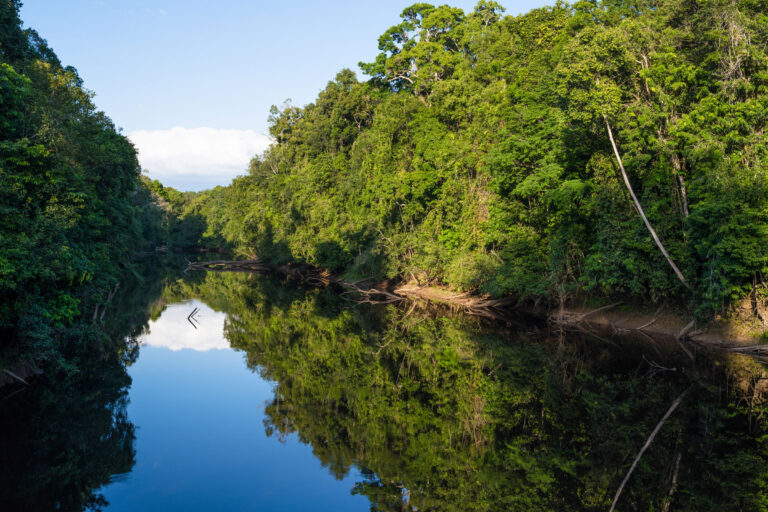
High-impact, nature-based solutions at scale
At Winrock International, resilience isn’t just a goal — it’s how we work. Winrock partners with communities, public agencies, the private sector and other stakeholders to protect, restore and finance the natural systems that sustain livelihoods and stabilize the climate. From jurisdictional forest conservation programs that span entire states and nations to interactive decision support tools that strengthen local leadership, Winrock’s forestry work demonstrates how collaboration and community‑owned forest solutions deliver lasting benefits for both people and nature.
Scaling forest climate action through ART
More than 25 national and subnational governments (states or regional governments) currently participate in Architecture for REDD+ Transactions (ART) — a global carbon crediting program that certifies high-integrity emission reductions and removals from protecting and restoring forests at scale. Collectively, ART now covers more than 1 billion acres of forest — roughly a quarter of the world’s tropical forests. By ensuring confidence in the environmental and social integrity of emission reductions and removals from forest protection and restoration, ART aims to unlock finance at scale for ambitious climate action and to incentivize governments to achieve those results.
ART is a crediting program of Environmental Resources Trust, a nonprofit subsidiary of Winrock International, governed by the ERT Board. ART is operated by an independent secretariat and an advisory board of globally recognized experts who ensure ART’s integrity through oversight of the TREES Standard, and through independent third‑party audits of conformance with the standard by accredited validation and verification bodies prior to the issuance of TREES credits.
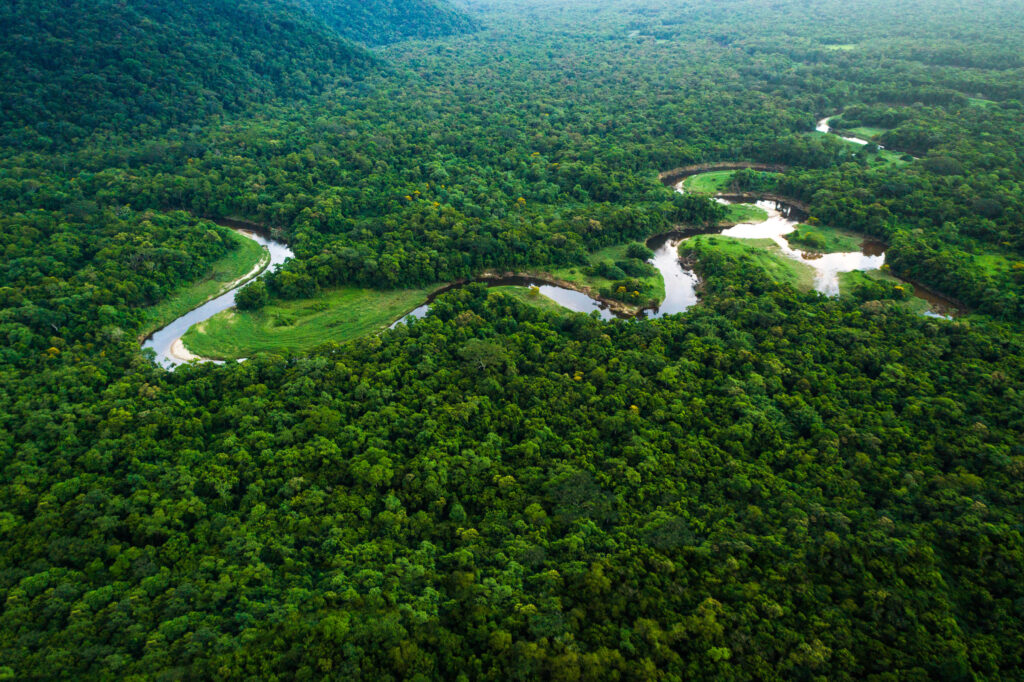
Technical services to 12 countries to meet forest conservation goals
With a reputation for pairing scientific rigor with practical application, Winrock has been a key technical partner in developing the REDD+ programs of 12 countries across Africa, Asia and Latin America. Winrock provides technical assistance across the three phases of REDD: readiness, implementation, and finance mobilization. (REDD+ is short for Reducing Emissions from Deforestation and Forest Degradation; it’s a global framework that helps countries reduce climate pollution by keeping forests standing, managing them sustainably and restoring degraded forests.)
Specific support provided by Winrock’s Ecosystem Services team includes development of national forest monitoring and information systems, forest reference levels, assistance with REDD+ strategy documents and other support to secure access to climate financing and issuance of carbon credits. Winrock’s technical assistance advances transparent and accurate emissions accounting, ensuring verified results and trusted carbon credits while strengthening jurisdictions’ long-term capacity to meet international climate commitments, such as Nationally Determined Contributions.
Jurisdictional programs organized across broad geographies rather than project-by-project help to reduce leakage, ensure additionality and create durable outcomes, forming the foundation for high integrity climate finance and long‑term resilience. (Leakage refers to preventing deforestation from shifting elsewhere; ensuring additionality means verifying that emission reductions would not occur without the program.)
Winrock’s Eco team is a global leader in helping to shape and implement JREDD+ programs (JREDD+ is short for Jurisdictional REDD+). So far, Winrock has partnered with governments on JREDD+ programs across a dozen countries: Bolivia, Brazil, Costa Rica, Colombia, Ecuador, Ghana, Guyana, Kenya, Mexico, Nepal, Uganda and Zambia. Learn more about Winrock’s JREDD+ expertise and experience in this Q&A with Pedro Piffer about training in Pará, Brazil, where Winrock’s work has helped protect more than 213 million forest acres.
Collaboration and innovation: Unlocking forest finance
Winrock’s partnerships accelerate climate finance and strengthen local institutions. Some recent examples include:
Lowering Emissions by Accelerating Forest Finance – Technical Assistance project. Funded by the UK Department of Energy Security and Net Zero, Winrock is supporting six jurisdictions — three states in Brazil plus the governments of Costa Rica, Ecuador and Nepal — as they engage with the TREES process to pursue high‑integrity forest crediting and mobilize finance for conservation at scale.
The Jurisdictional Technical Assistance Partnership (JTAP), of which Winrock is a founding member, is a collaborative initiative that supports tropical forest jurisdictions and their partners to participate in the highest-integrity voluntary carbon markets, helping to unlock large‑scale finance for forest conservation and climate action through JREDD+ programs. Winrock is contributing its deep technical expertise in REDD+ design and implementation, including monitoring, reporting and verification, standards readiness, and capacity building, to help these governments overcome technical and market barriers and bring high‑quality JREDD+ programs to market.
Though the Burkina Faso Technical Assistance and Capacity Building project, funded by the World Bank, Winrock supports Burkina Faso as it strengthens forest monitoring systems and safeguards while engaging with ART‑TREES requirements to conserve millions of acres and bolster national reforestation efforts.
Beyond JREDD+ readiness and market access, Winrock has partnered with governments and communities for decades to build the core systems that underpin credible climate finance. In Guyana and Indonesia, for example, Winrock’s ‑long-term, hands‑on support has strengthened forest monitoring, restoration and community‑based approaches that reduce emissions while delivering lasting development benefits.
In Guyana, Winrock was selected by the Guyana Forestry Commission to help design a practical and cost‑effective Forest Carbon Monitoring System. Through provision of long‑term, learn‑by‑doing technical support, Winrock has conducted extensive training with the GFC on carbon measurement, monitoring and spatial analysis. Since the monitoring, reporting and verification system was launched in 2009, Guyana has achieved major, stepwise improvements, with Winrock providing sustained technical support.
And across Indonesia’s peatlands, Winrock has partnered with local governments, community organizations and businesses to blend science‑based restoration with market linkages and community training, reducing emissions while supporting livelihoods in one of the world’s most climate‑vulnerable regions. Learn more about Winrock’s peatlands work in Indonesia in this Q&A with Indira Nurtanti.
Knowledge management tools for climate learning and decision-making
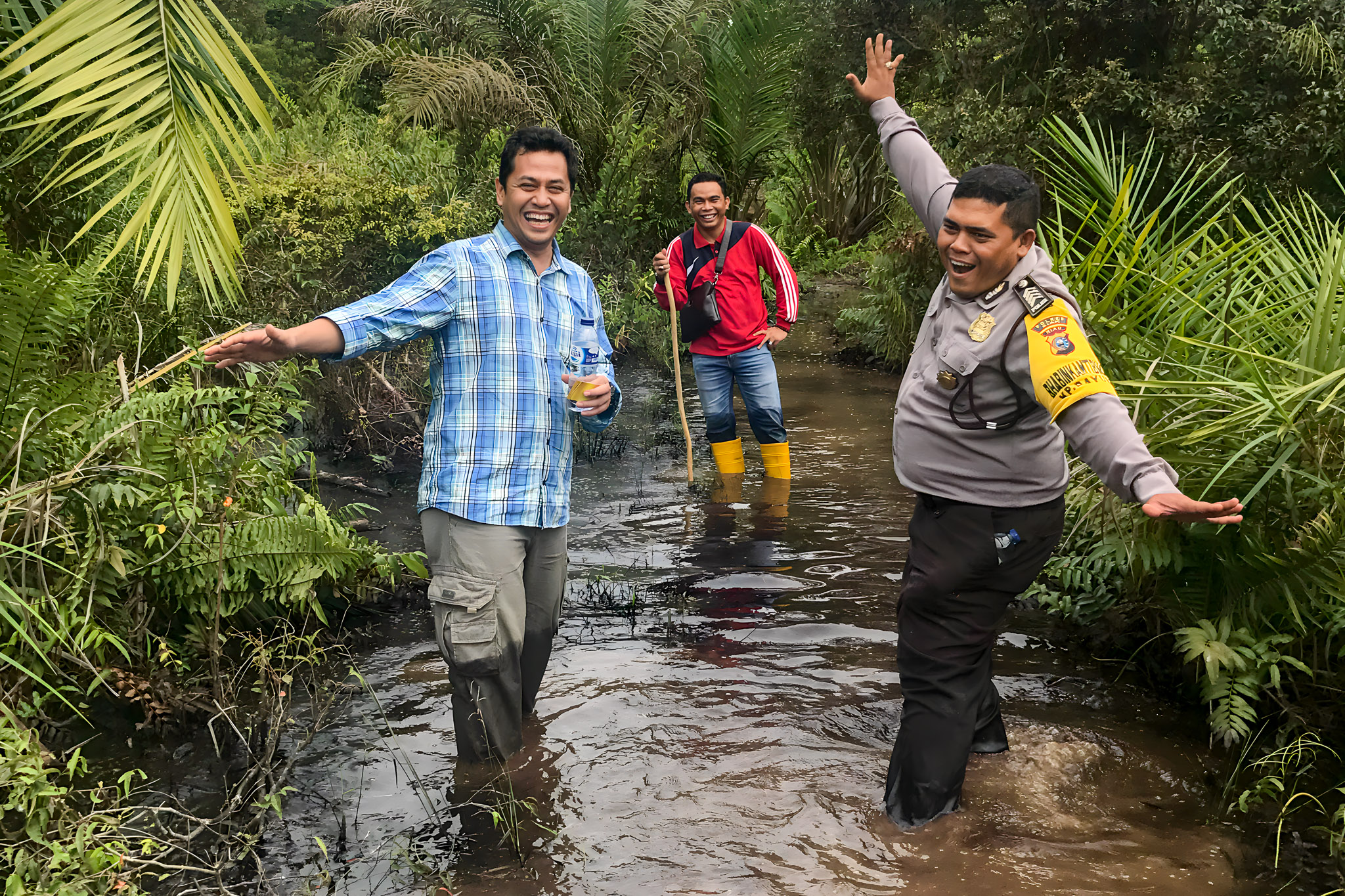
Winrock’s Ecosystem Services team also develops knowledge management systems that support climate learning and better decision-making, turning complex environmental data into shared, experiential understanding. This work emphasizes collaboration, accessibility and local ownership. For example, Winrock Eco Games are co-designed with users to introduce concepts of resilience, ecosystem services and water security to communities of all ages. Through interactive scenarios, participants gain knowledge about how forests absorb carbon, how wetlands filter water, how mangroves reduce flood risk and how pollinators sustain agriculture — reinforcing the value of healthy ecosystems.
Winrock has developed and adapted Eco Games across multiple geographies and themes, including versions focused on deforestation-free cocoa landscapes in Ghana, water security in Cambodia’s Stung Chinit Basin, and resilience in the U.S. Caribbean. Each game is grounded in rigorous analysis and local context: Winrock translates scientific findings and local data into scenarios and visuals that are relevant to participants, then pilots and refines the experience based on community feedback.
Another innovative Winrock Eco Game, the ONE-SL Double Counting Risk Tool and Nesting Game, was developed as part of the Offset National Emissions through Sustainable Landscapes project. This tool, unveiled and played for the first time at the U.N. Conference of Parties in Azerbaijan in 2024, helps jurisdictions identify and manage double‑counting risks in REDD+ programs. (Double‑counting refers to the risk that the same climate benefit from forest conservation is counted more than once by different actors.) By translating technical concepts such as baselines alignment, benefit sharing and project‑jurisdiction interactions into participatory decision-making exercises, the game helps build a common understanding across institutions with different roles and perspectives.
This collaborative approach reflects Winrock’s broader expertise in knowledge management: not only organizing and conveying technical information, but creating environments where stakeholders can test assumptions, surface tradeoffs and strengthen collective capacity for high‑integrity climate action.
Related Projects
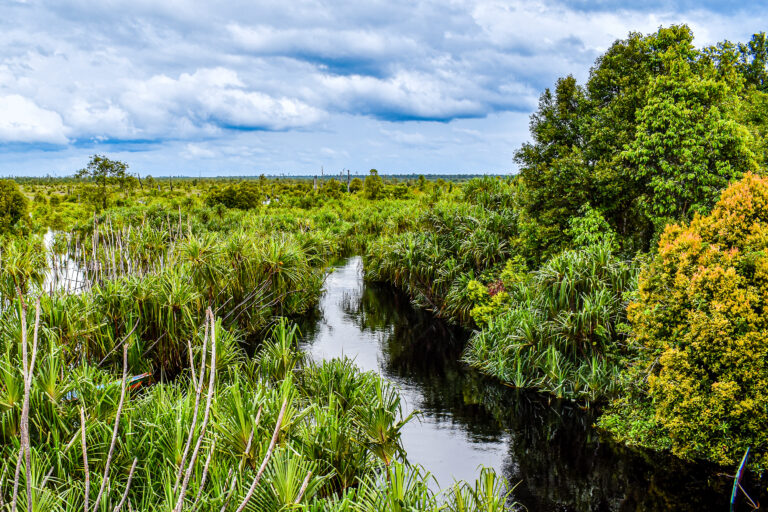
Advancing Public and Private Sector Partnerships toward Restoration and Conservation of Peatlands in Indonesia
This third phase of the Good Energies’ project seeks to facilitate a transformational shift in Indonesia’s peatland management and conservation. Driven by private sector demand, this project coordinates with the government of Riau and Siak, along with local communities and farmers who live and work in the peatland to implement the newly developed Green Siak […]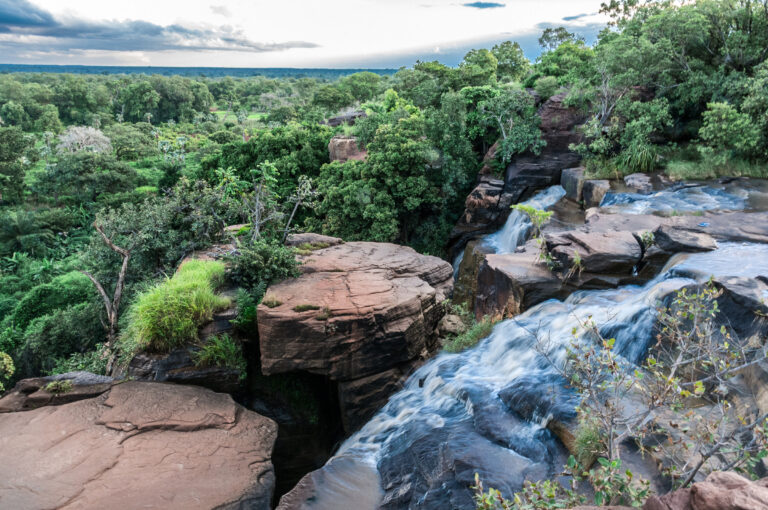
Burkina Faso Technical Assistance and Capacity Building to Reduce Emissions from Deforestation and Forest Degradation
Burkina Faso is taking bold steps to combat deforestation and land degradation, which threaten ecosystems, agricultural productivity and rural livelihoods. Building on its long-standing commitment to sustainable land and forest management, the country is advancing a large-scale program to reduce emissions from deforestation and forest degradation (REDD+). This effort aims to generate verified emission reduction […]